


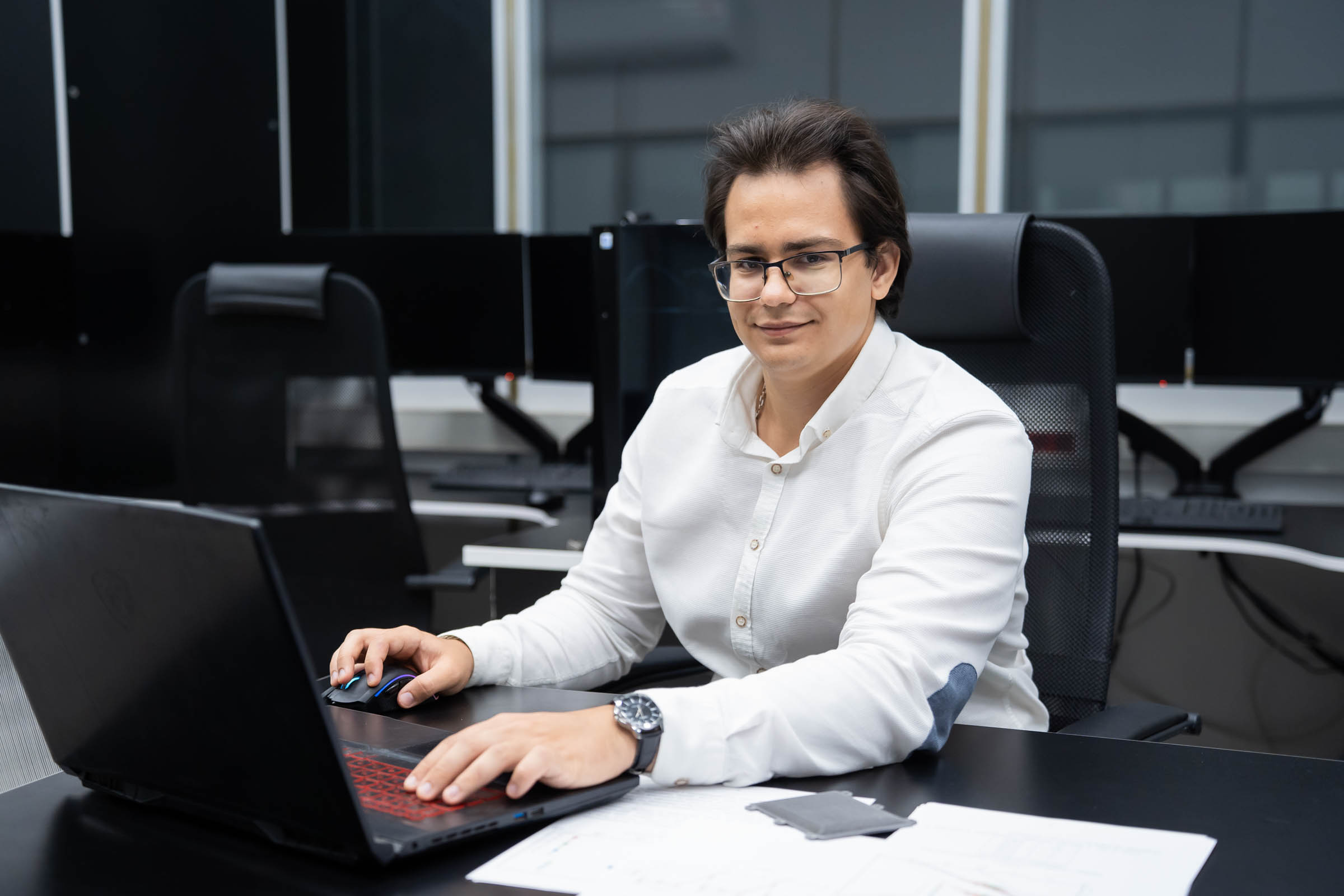
Kirill Korovin, a student at the Advanced Aerospace Engineering School of Samara University, has developed highly efficient radiators for cooling the payload and scientific instruments aboard satellites. To improve heat dissipation, the radiators are proposed to be manufactured using additive technologies—in other words, 3D-printed. Previously, additive manufacturing had not been used in Russia for the production of spacecraft radiators.
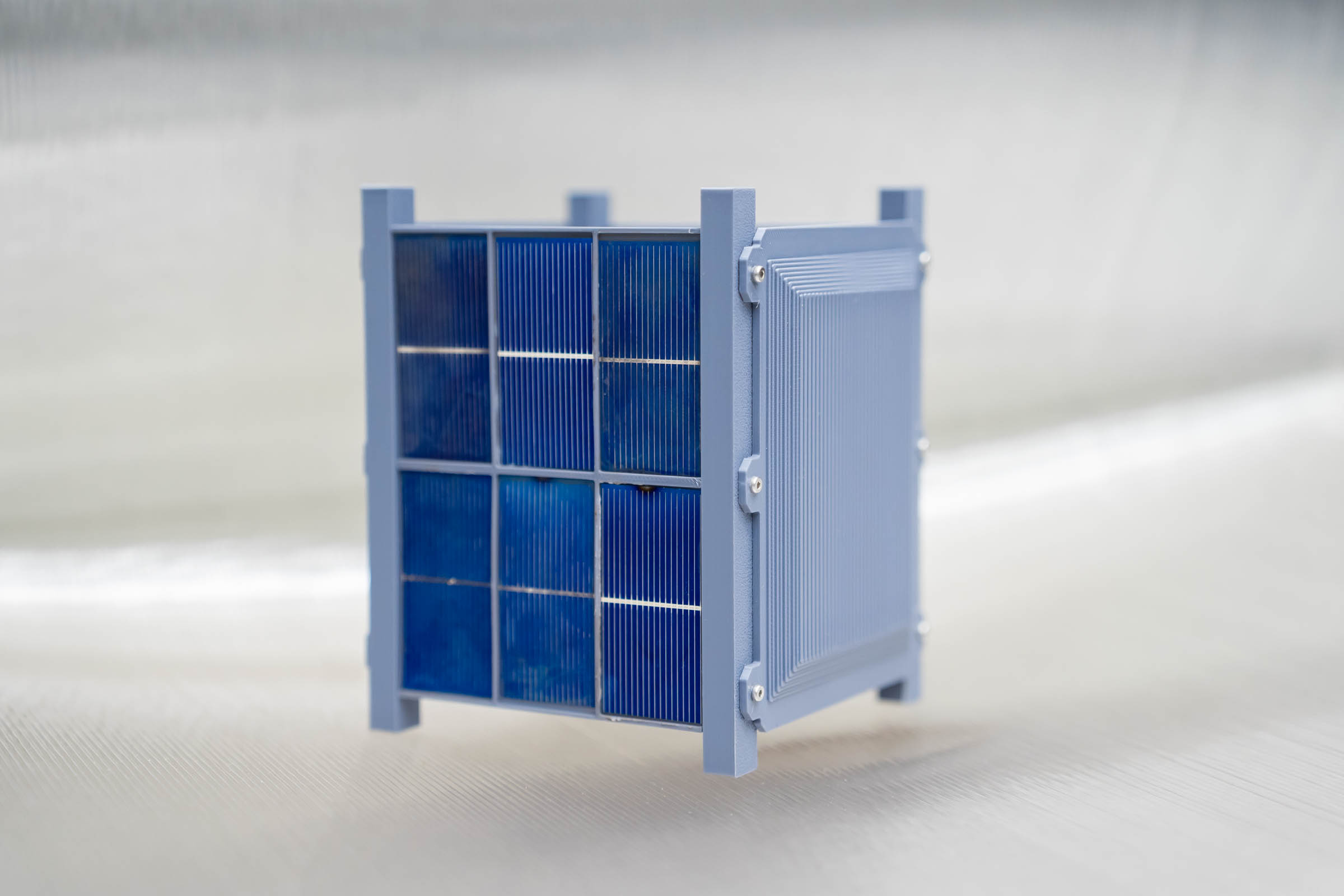
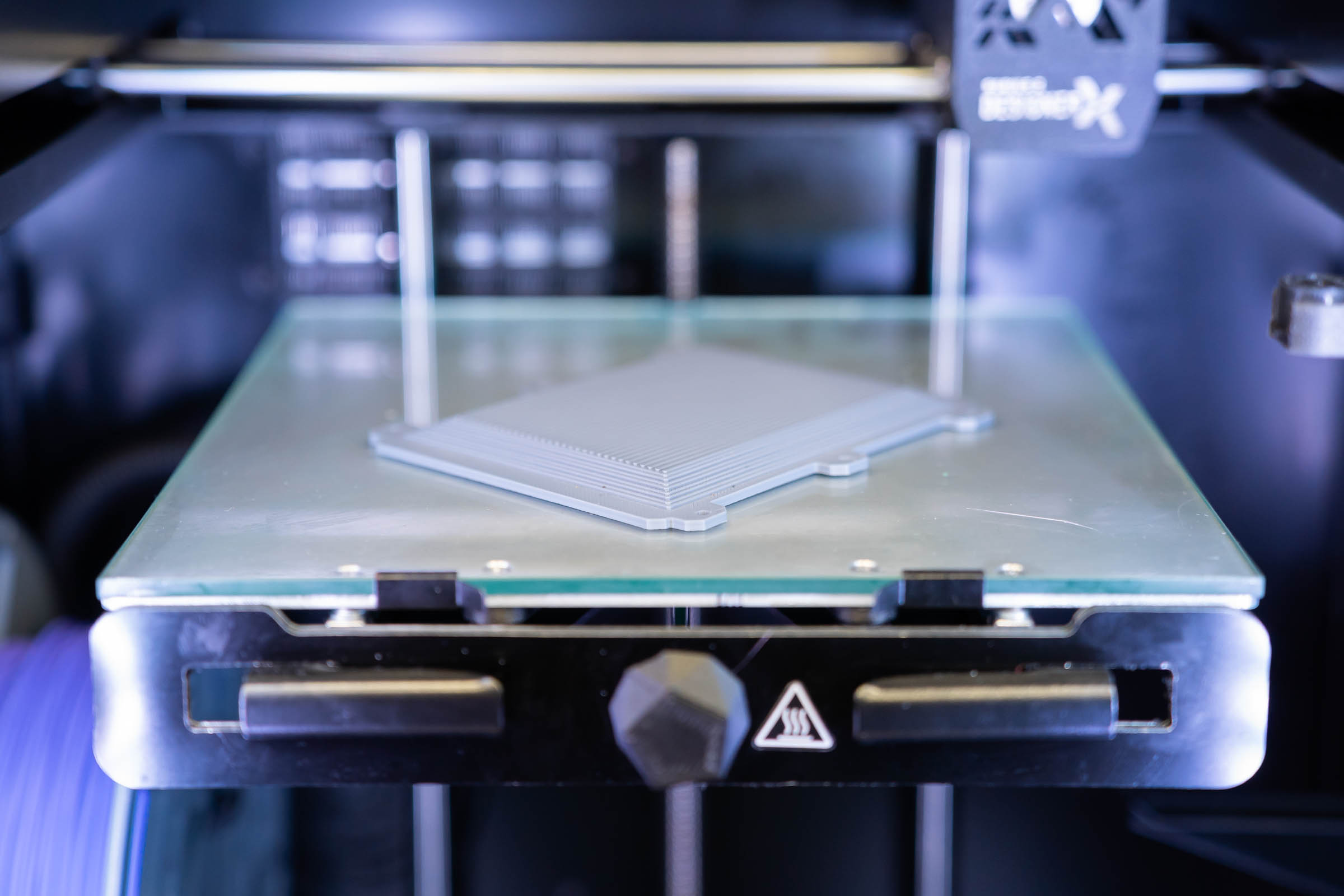
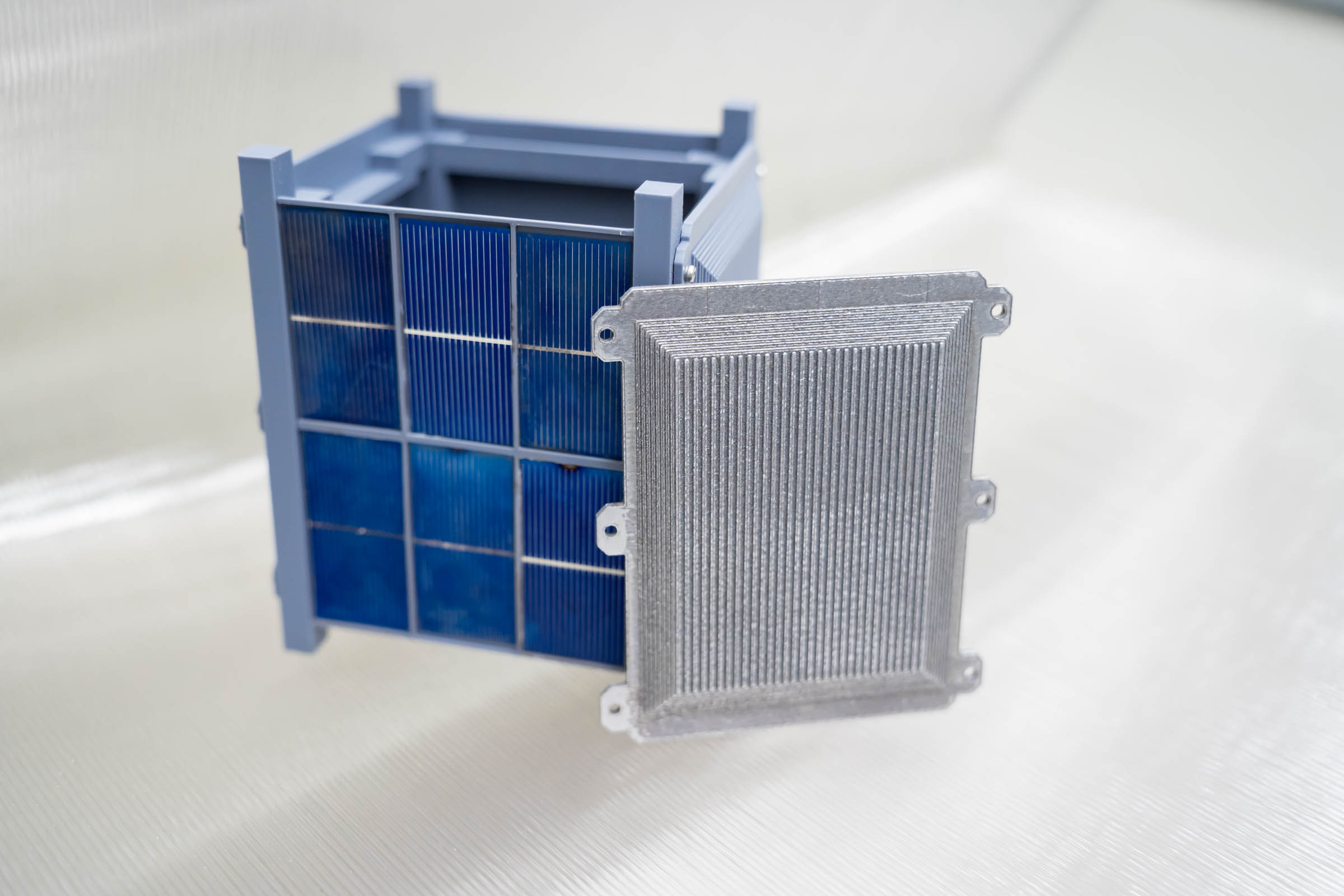
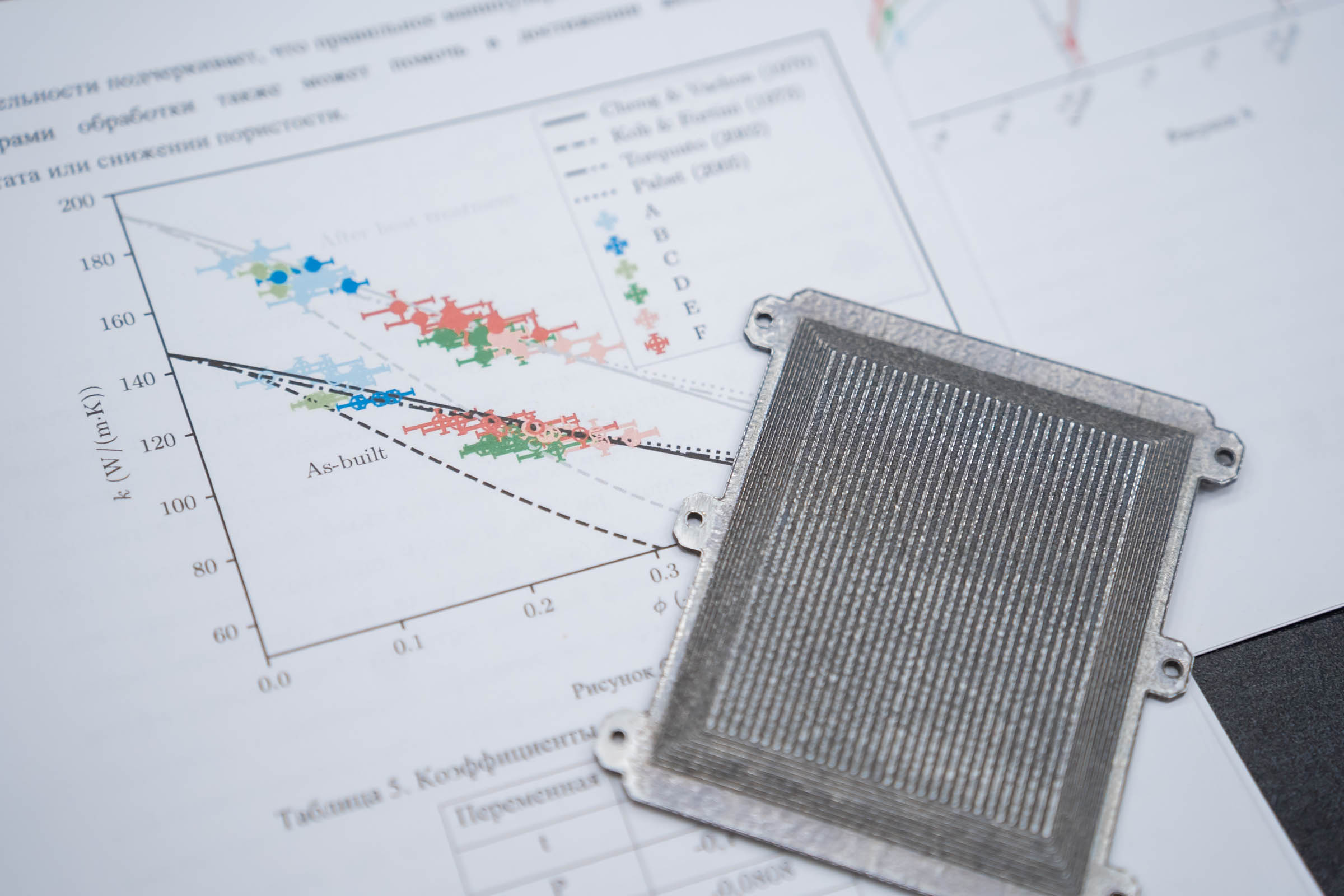
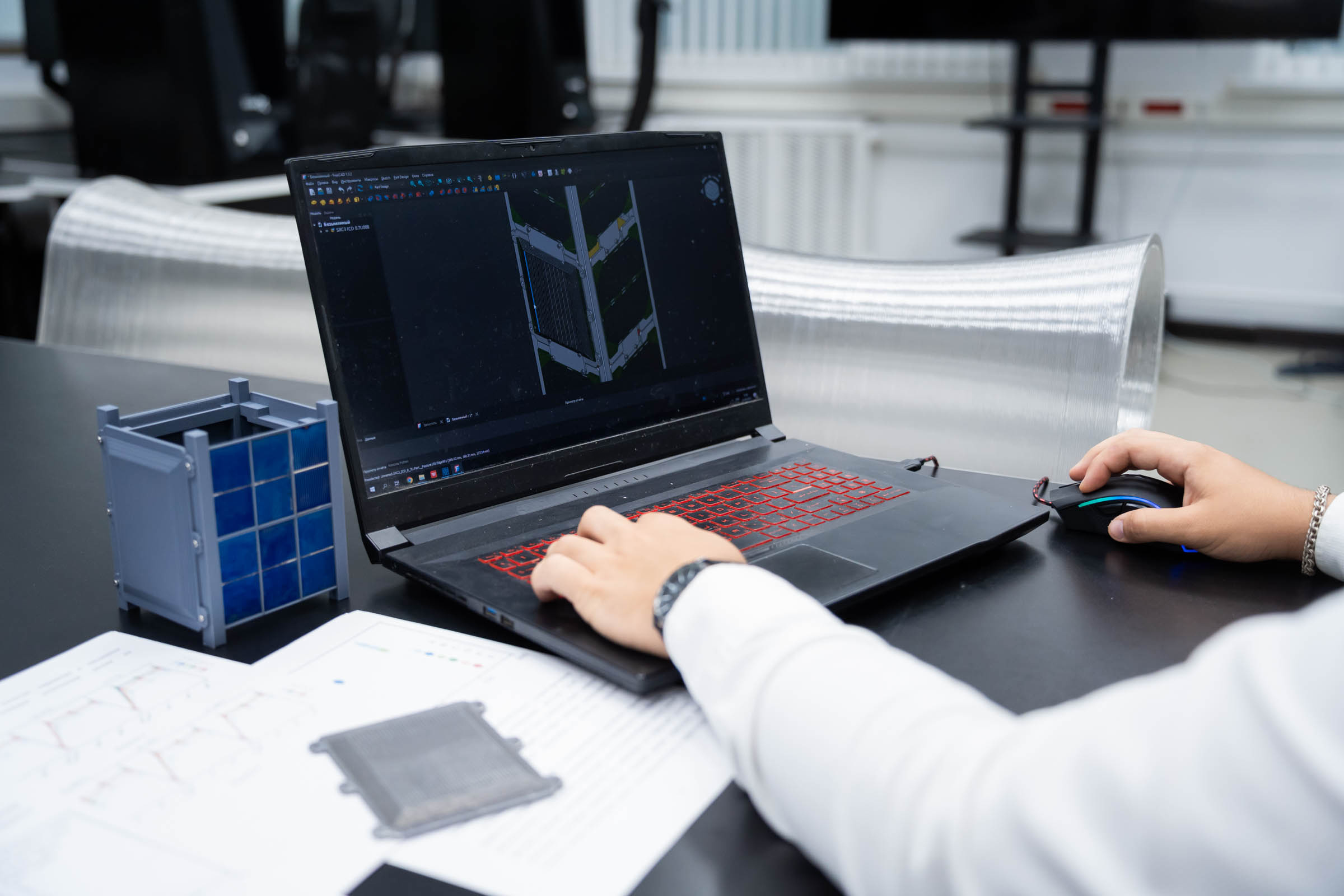

Korovin's student startup, named AstroCool, won the All-Russian competition of the Innovation Promotion Foundation. As part of the project, the university has already 3D-printed the first test prototype of a radiator for CubeSat-format nanosatellites.
According to the project's author, the problem of excessive overheating in space hardware is highly relevant: overheating can cause electronic components to fail, rendering the satellite inoperable. However, this issue is typically considered significant only for large satellites equipped with numerous powerful instruments that generate substantial heat during operation. To protect against overheating, heat-dissipating radiators are mounted on the exterior of a satellite's body, radiating excess heat into space. However, radiators manufactured using traditional technologies tend to be bulky and heavy, making them unsuitable for nanosatellites and other small spacecraft.
"The AstroCool project proposes the development and implementation of a domestic additive manufacturing technology for radiators and heat exchangers for satellites and other spacecraft. The technology is based on selective laser melting of high-thermal-conductivity alloys—aluminum, copper, and their combinations. Previously, additive technologies had not been applied in Russian space thermal control systems. Modern radiators and heat exchangers for spacecraft in Russia are primarily manufactured using traditional methods—milling, casting, and soldering—which results in greater mass and requires more production time," explained Kirill Korovin.
3D printing will enable the creation of small, lightweight radiators for nanosatellites and other small spacecraft. During the design phase, these radiators can be given any shape that is most effective for heat dissipation—something traditional manufacturing methods simply cannot achieve.
"The main advantage of additive technologies is that we are not limited in the geometric shape of the radiator surface. This means we can optimize the effective dissipation area to its theoretical maximum. Inside the radiator body, we can design microchannels of any shape and diameter for coolant circulation. Using subtractive methods, we can only cut straight internal channels with a laser, but here—whatever the designer deems necessary—we can create any spirals, coils, or complex geometries. At the same time, the production process itself is less labor-intensive and takes less time. All that is required is a finished 3D model of the product, a well-developed printing strategy with optimized parameters for the 3D printer, and a clear understanding of the post-processing workflow," noted the developer.
The first test radiator prototype for CubeSats, created at the university, is made from a high-strength AlSi10Mg alloy and is designed to be as simple as possible, featuring a surface relief of fine ribs but no internal microchannels. It was created specifically to refine the manufacturing technology and conduct initial thermal and vibration load testing.
"Additive technologies can be used to manufacture radiators for satellites of virtually any format and size, not just small spacecraft. It should be noted that the idea of equipping CubeSats with radiators is something of an innovation in itself—small spacecraft typically operate without active cooling, as their instruments are low-power. Adding radiators will make it possible to install more complex and more powerful equipment on board small satellites to perform new tasks. In other words, the use of radiators will undoubtedly help expand the range of missions that can be carried out on the CubeSat platform, while also increasing satellite reliability by protecting their electronic components from overheating," Kirill Korovin concluded.
Photo: Olesya Orina
