

This week, the preliminary design of the SamSat-Korolevets small spacecraft was successfully defended.
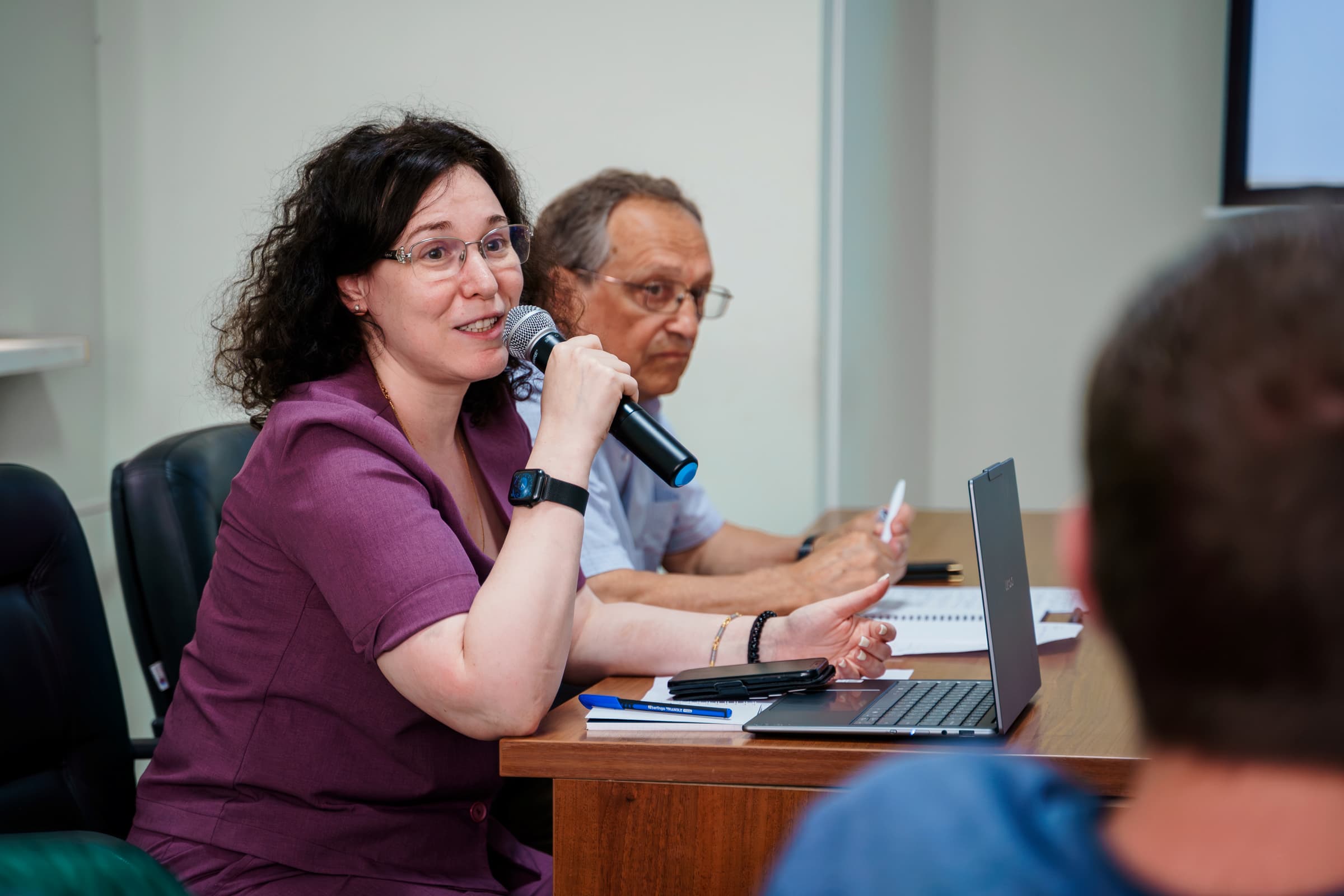
Anna Rozenzweig, First Vice-Rector for Research, welcomed the attendees—which included the staff of the Inter-University Department of Space Research and Laboratory 102, as well as the student development team—noting the project's strategic importance: "This project is highly significant for us. I am confident it will serve as the foundation not only for future graduation theses but also for PhD dissertations."
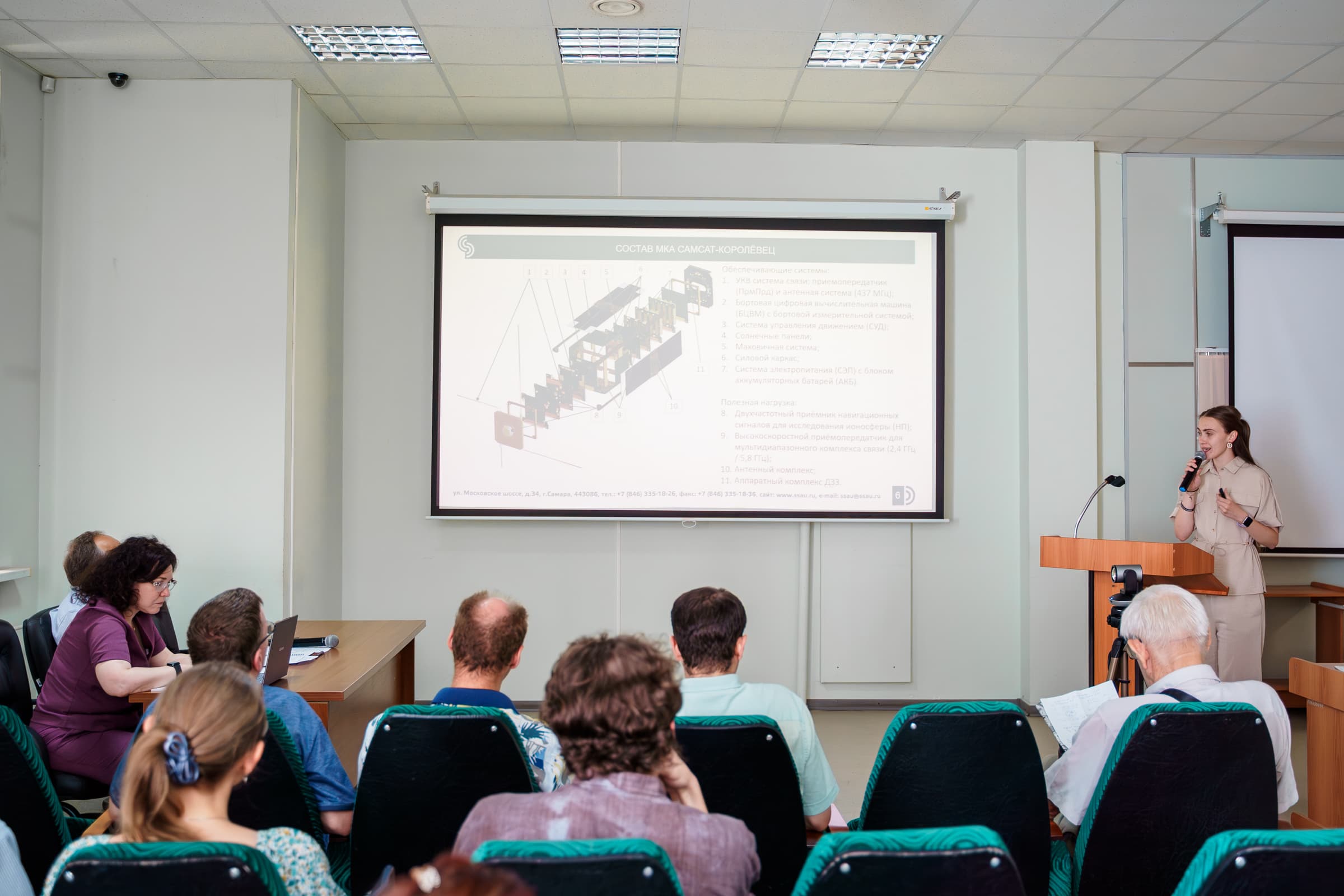
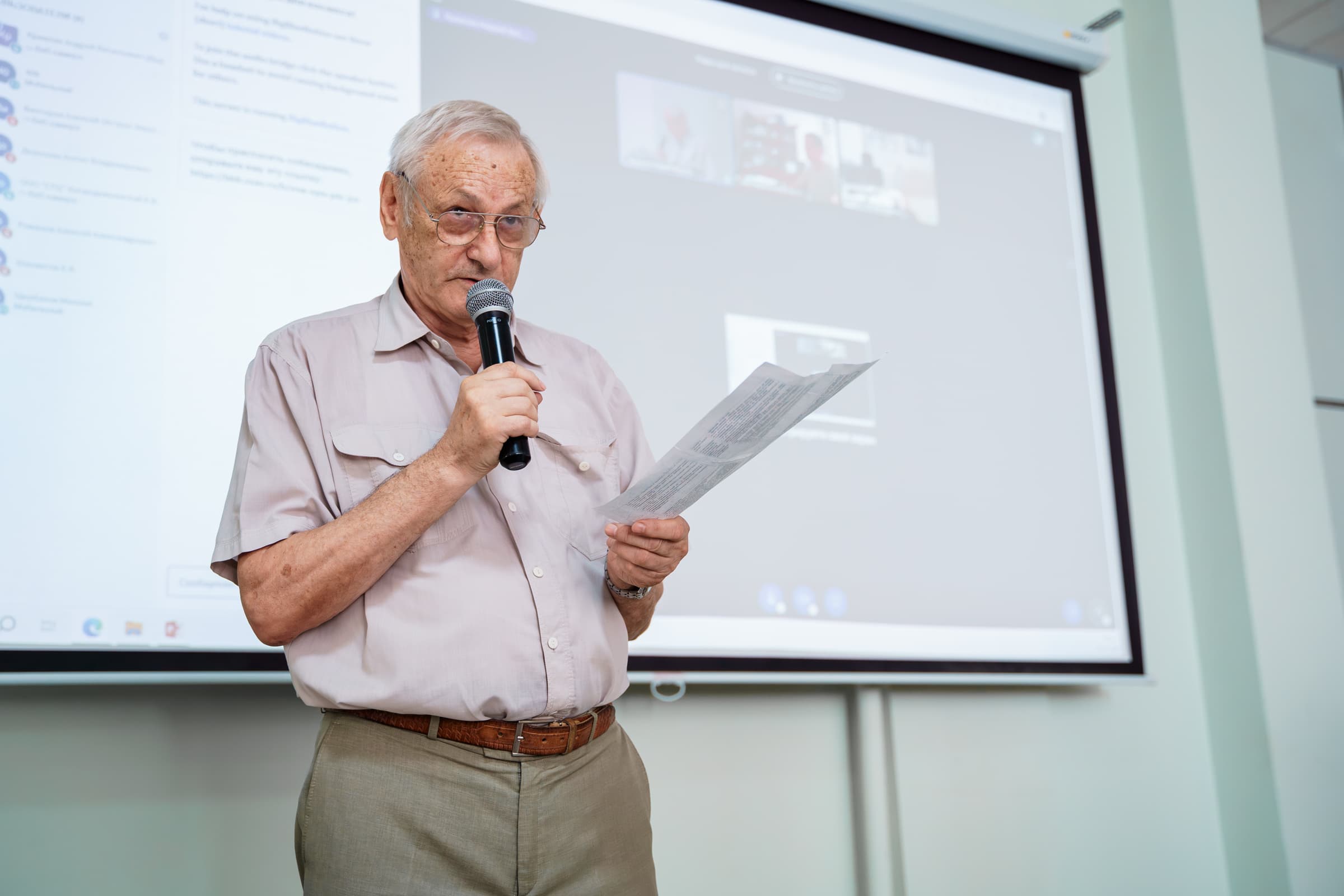
Project Head Professor Igor Belokonov reported on the progress of the "Personnel for Space" Federal Project roadmap and the ongoing development of the SamSat-Korolevets spacecraft. A dedicated student development team has been formed, and two modules of the advanced training program have been successfully implemented. The team has developed the technical specifications and architecture for the spacecraft, alongside the documentation for its payload, which includes a navigation receiver, a high-speed transceiver, and a hardware-software complex for the preliminary processing and analysis of Earth remote sensing data.
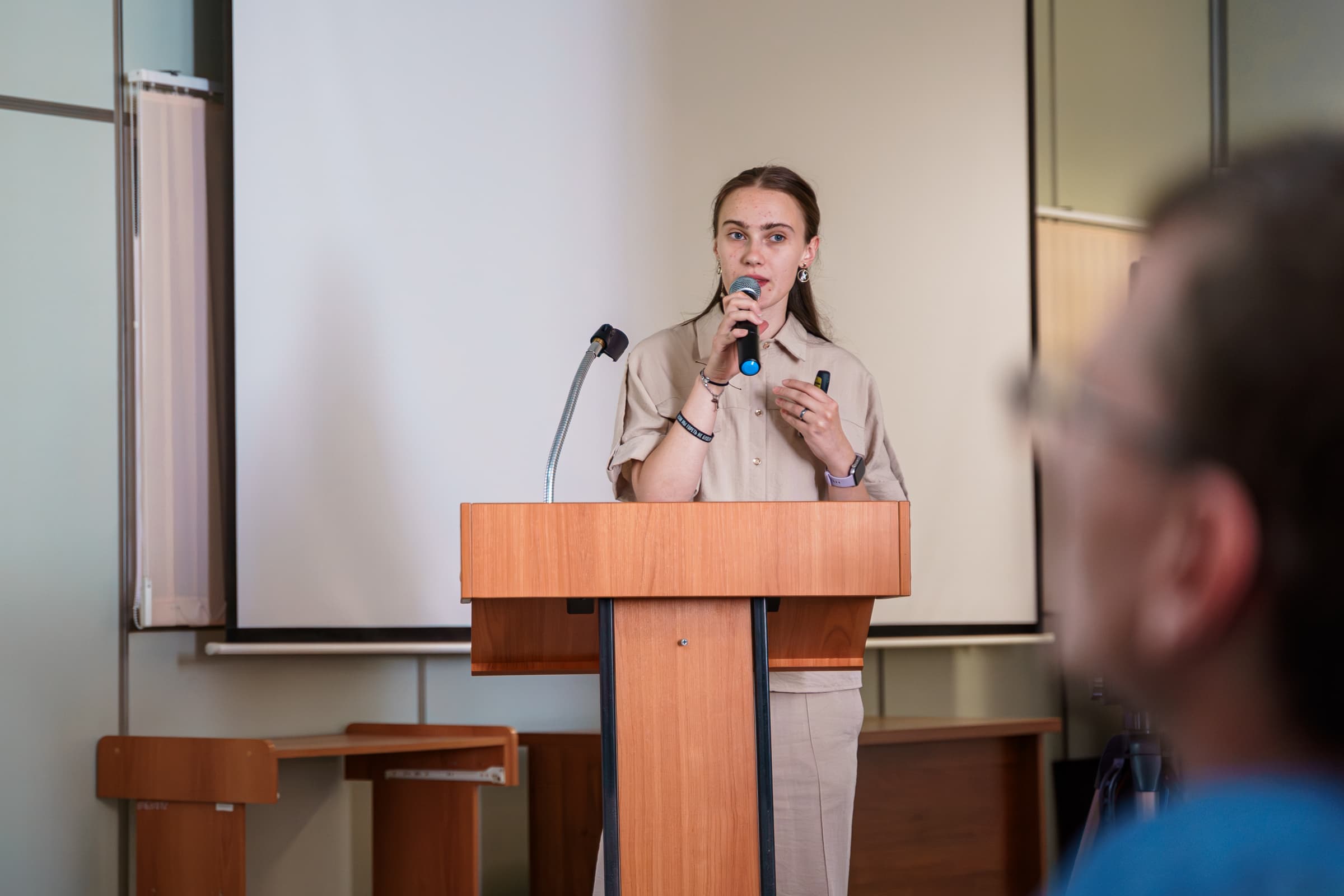
Master's student Polina Yakovleva, the project's Chief Designer, presented the developed preliminary design. She specifically emphasized that all onboard systems are being designed and will be manufactured in-house at Samara University's Center for Nanosatellite Technologies, and will be tested at the Nanosatellite Testing and Experimental Development Center. Both centers operate on the base of the Inter-University Department of Space Research.
Project experts joined the defense via an online connection to provide their feedback.
Alexander Leonov, Head of the Project Office of the Russian Ministry of Science and Higher Education for the "Personnel for Space" Federal Project, responding to a question from Evgeny Kosmodemyansky, Chief Designer of Space Equipment and Head of the Scientific and Technical Center at STC LLC, announced that the launch of all spacecraft winning the "Personnel for Space" competition is scheduled for 2027.
Evgeny Kosmodemyansky noted that STC is ready to provide its facilities, including an anechoic chamber, for testing the systems of the Samara satellite. Alexey Romanov, Scientific Advisor at JSC "TsNIIMash," inquired about the procedures for the verification and validation of the onboard systems.
Alexey Viktorov, Deputy General Director of "Astron Electronics," highlighted a key advantage of the design: "The idea of installing a high-speed transceiver on the small spacecraft is very interesting. One of the main challenges in space imaging is the difficulty of transmitting large volumes of image data back to Earth."
Alexander Kirilin, former General Director of JSC "Progress," asked about the choice of solar panels. The development team revealed that they decided to manufacture their own silicon solar cells and cover every available surface of the satellite with them, ensuring the necessary level of power generation.
Kirilin also inquired about the spacecraft's flight qualification. Since the satellite is built on the proven SamSat platform, the frame and core onboard systems already possess flight heritage, having operated in space for over a year and reliably transmitting telemetry as part of the SamSat-Ionosphere mission. All newly developed payloads will receive flight qualification following comprehensive ground and flight tests.
Valuable comments and recommendations were also provided by the University's Scientific Supervisor, RAS Academician Evgeny Shakhmatov, and internal project experts, University Professors Anton Doroshin and Vladimir Kurenkov.
For Reference:
Work on the SamSat-Korolevets nanosatellite is being carried out under the project "Development and Implementation of a Comprehensive Multidisciplinary Scientific and Educational Project for Training Advanced Engineering Personnel for the Space Industry, Based on Project-Based Learning Technology, Developing Promising Radio Navigation and Communication Technologies, as well as Earth Remote Sensing Technologies."
The authors and executors of the project are the team of the Inter-University Department of Space Research. The project took first place in the competition announced by the Russian Ministry of Science and Higher Education under the "Personnel for Space" federal project.
Photo: Alina Kavtaskina
