

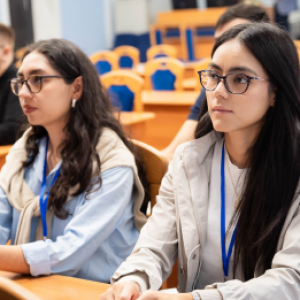
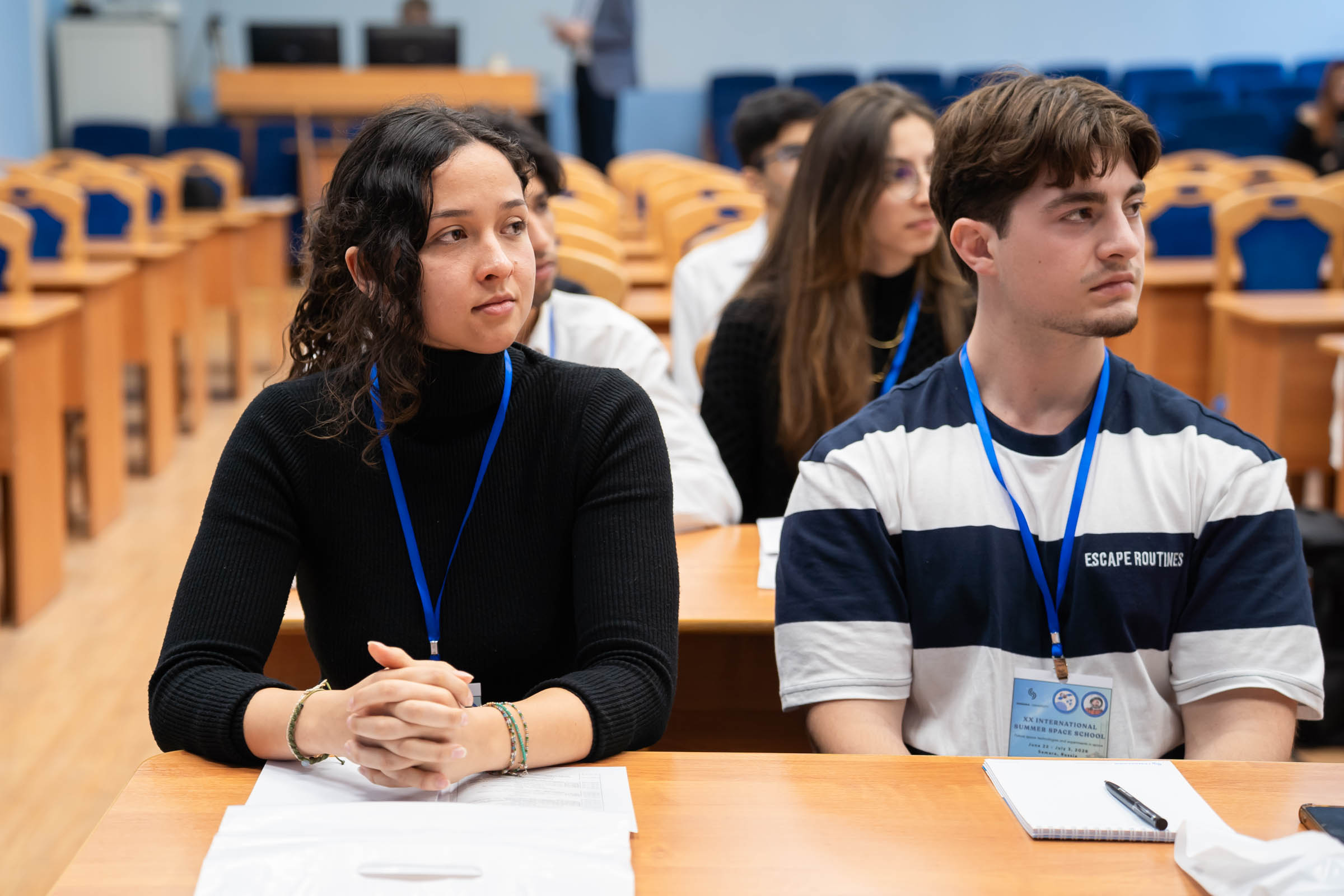
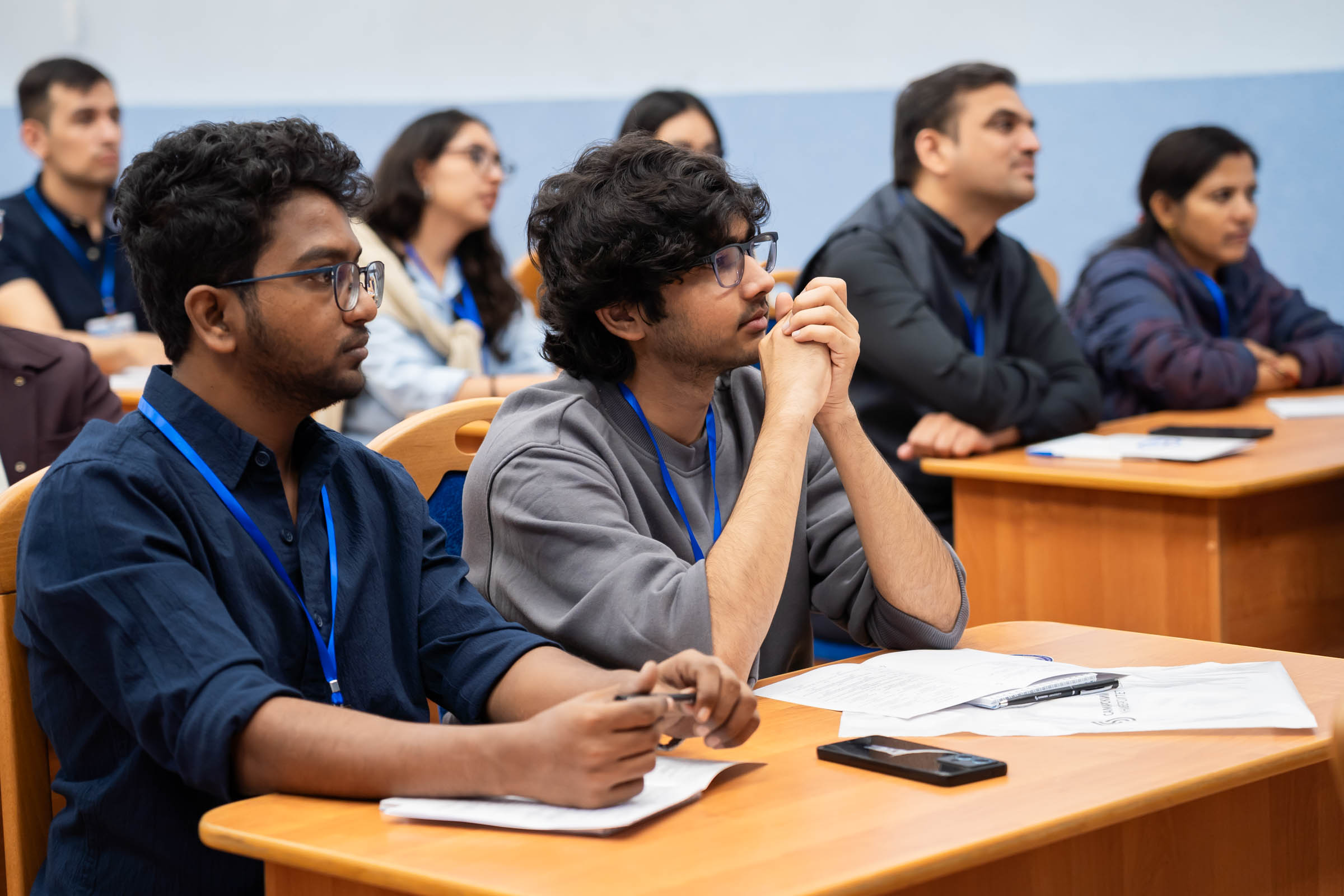
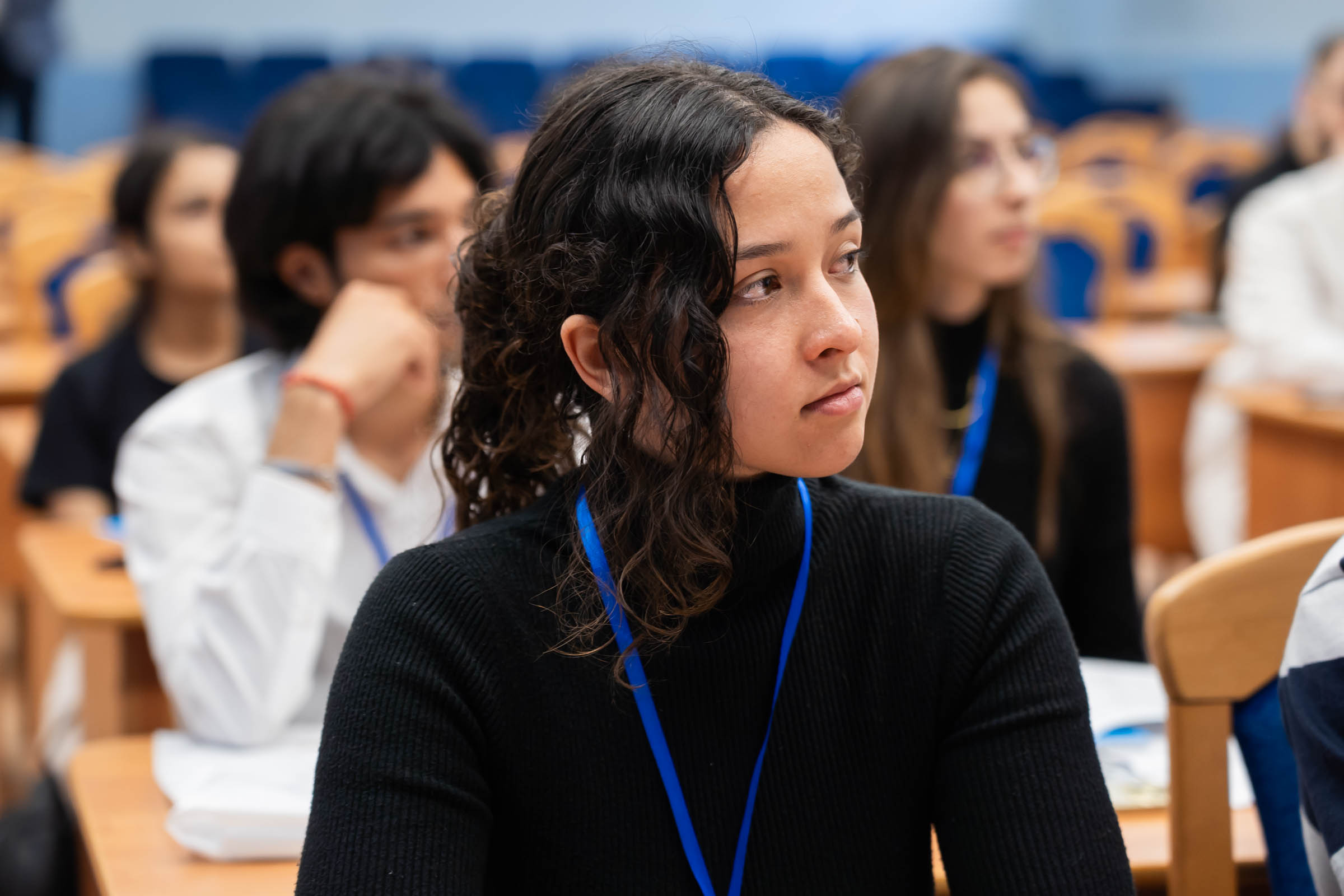
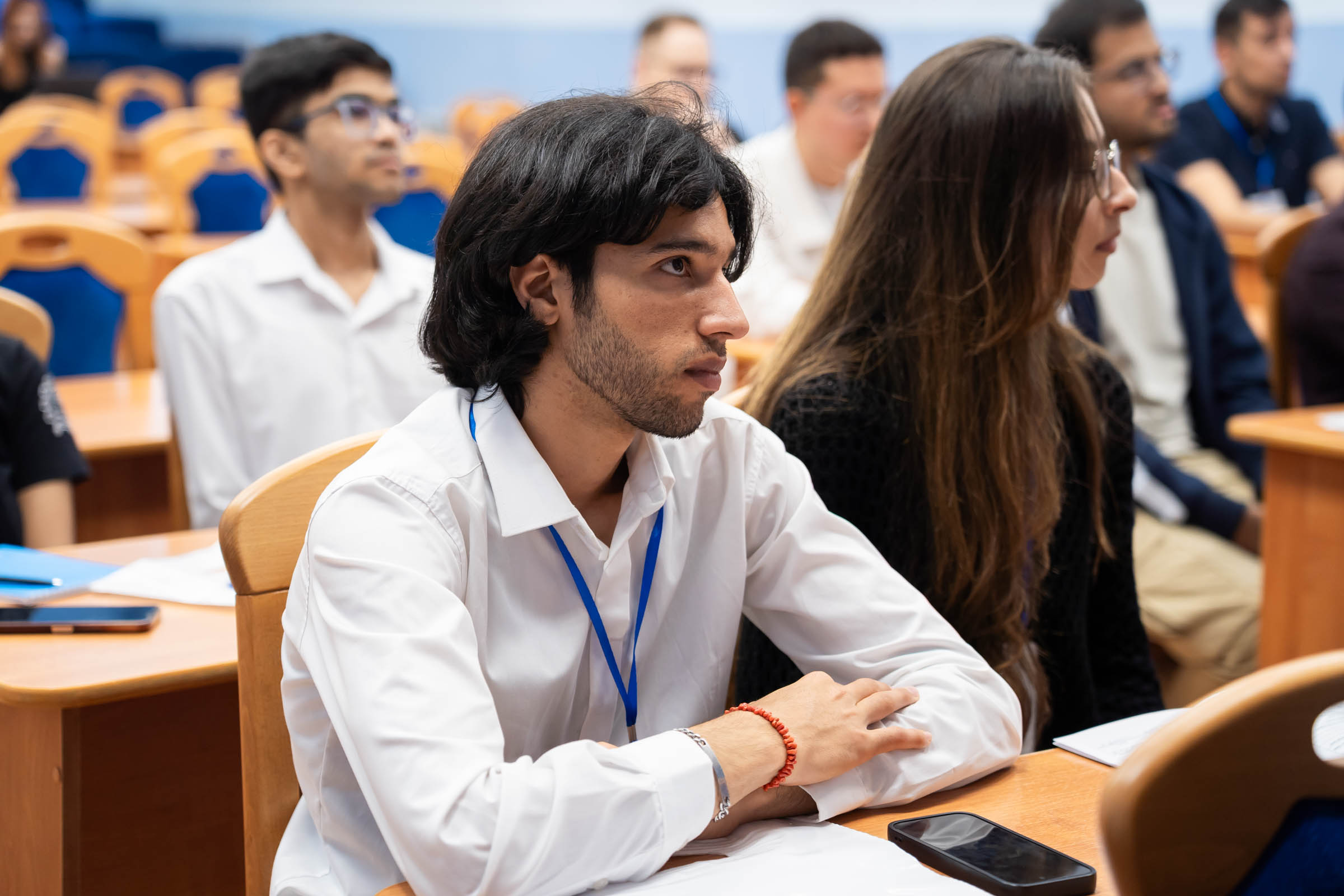
On Monday, June 22, Samara University hosted the opening ceremony of the milestone 20th International Summer Space School, "Advanced Space Technologies and Experiments in Space." This year’s cohort features international students from six countries across the Americas, Africa, the Middle East, and South Asia. Over the next two weeks, they will attend lectures by leading university scientists and dive into hands-on projects: designing a miniature atmospheric probe for the Volga region, a nanosatellite for ultra-low Earth orbits, and a spacecraft testing optical data transmission using high-power LEDs flashing Morse code.



Celebrating Space Milestones
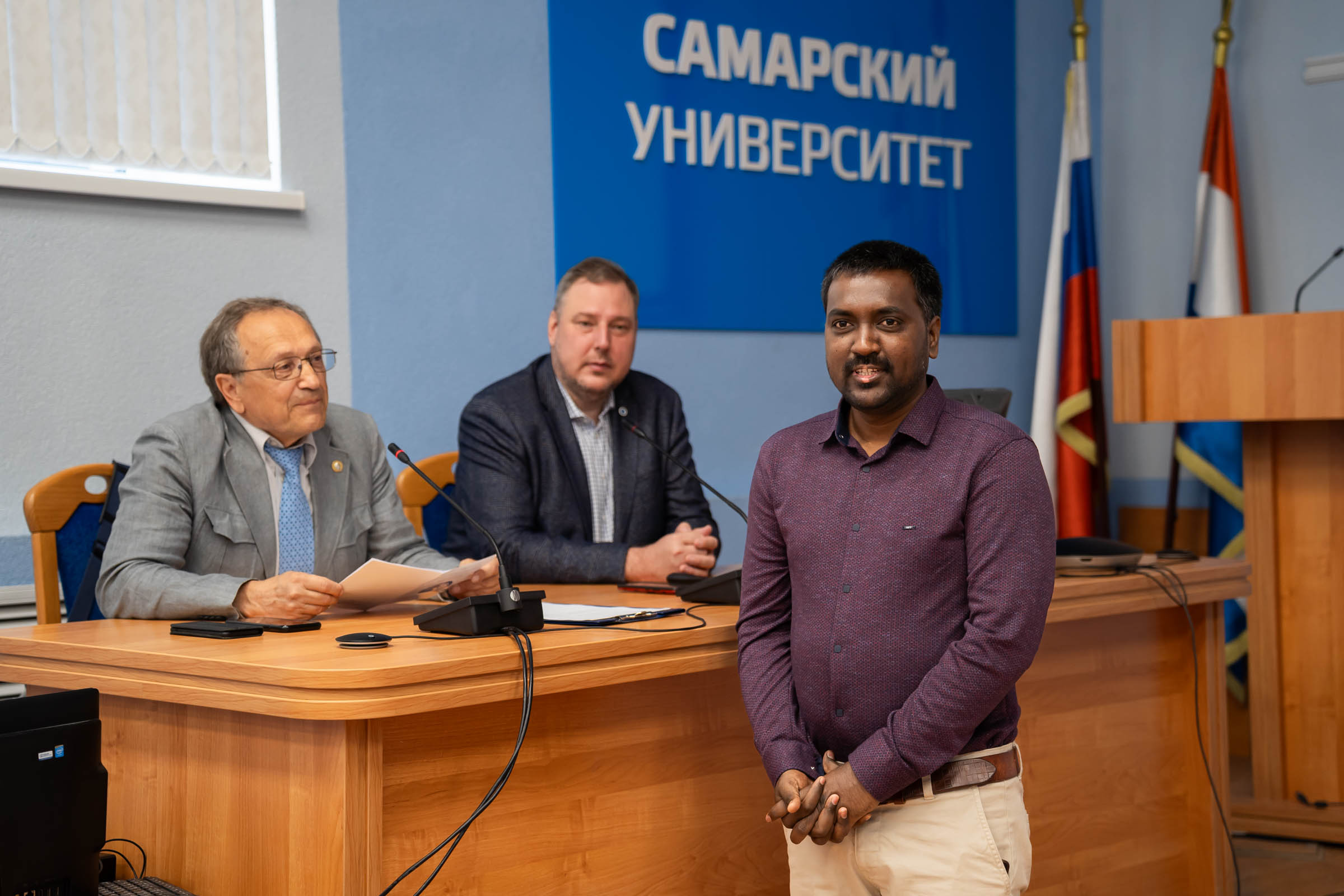
"The milestone 20th International Summer Space School is dedicated to four major anniversaries in global space exploration in 2026," explained Igor Belokonov, Professor at the Inter-University Department of Space Research at Samara University.
"First and foremost, it marks the 65th anniversary of Yuri Gagarin's historic spaceflight. It also celebrates the 60th anniversary of the Venera-3 mission, which in 1966 became the first spacecraft to reach the surface of another planet; the 60th anniversary of Luna-10, the first artificial satellite of the Moon; and the 55th anniversary of Mars-2, whose lander was the first in the world to reach the Martian surface."
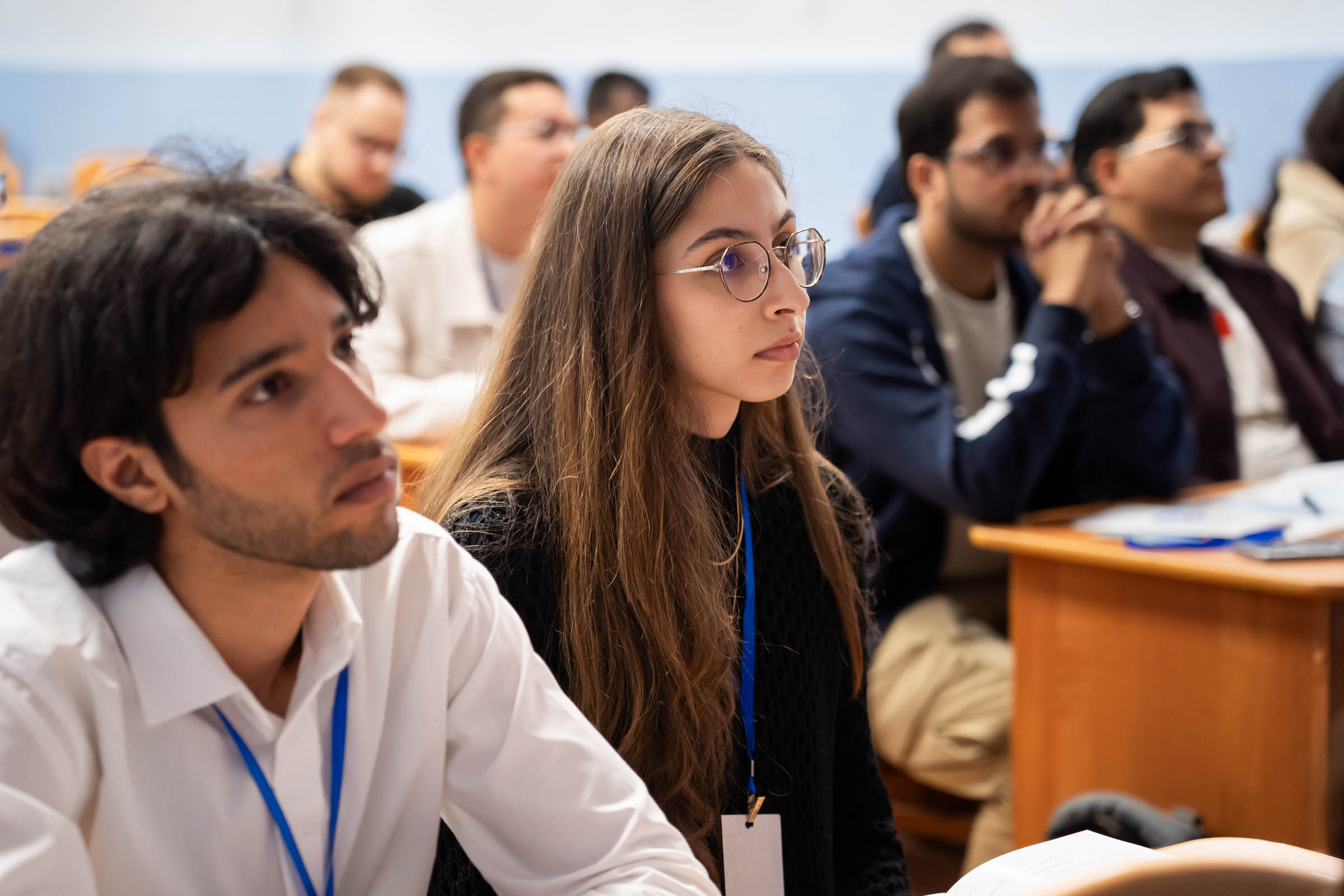
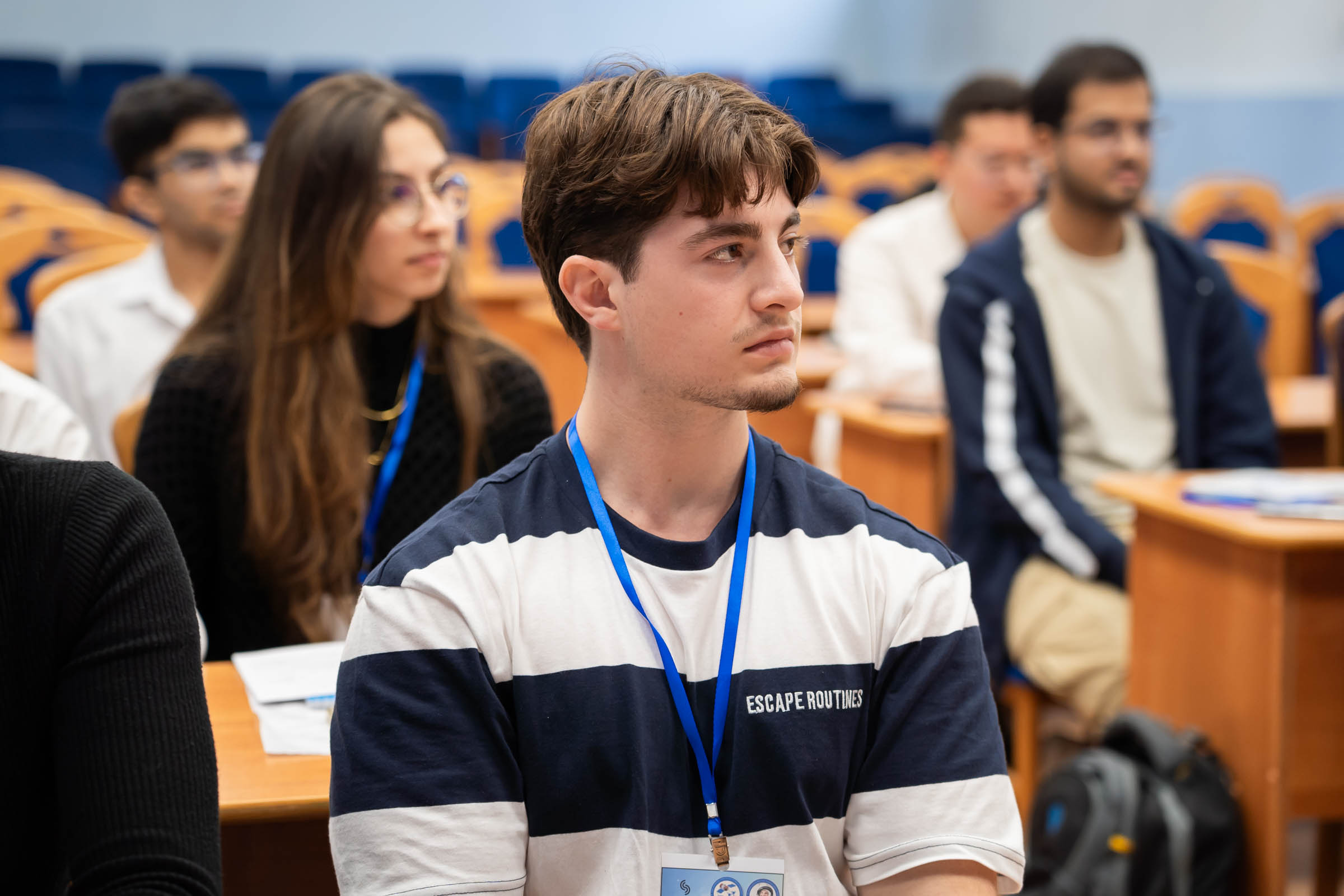
The competition to join the School was fierce. This year, 53 students from 13 countries applied (up from 45 applicants from 12 countries last year). Following a rigorous selection process, 18 students from six nations—Brazil, India, Mexico, Peru, Tunisia, and Lebanon—were invited to study in Samara.
"Students will attend lectures by leading scientists from Samara University and participate in hands-on training at three university facilities: the Nanosatellite Flight Control Center, the Nanosatellite Testing Center, and the Nanosatellite Technologies Center," Belokonov noted. "A distinctive feature of this anniversary School will be the assembly and launch of a CanSat-format atmospheric probe."
Voices of the Next Generation
"I came primarily for the technical knowledge I can gain here. I want to learn how to work with software like MATLAB and understand how to apply it to nanosatellite systems. And, of course, for the cultural exchange: to meet people from all over the world and experience Russian culture," shared Julia Morais, a student from Brazil, at the opening ceremony.
"My first impressions? First, I felt a strong sense of community—everyone supports each other, which was noticeable right from the airport pickup. Second, you can literally feel the atmosphere of innovation at Samara University; it's clear that there is a powerhouse scientific school for nanosatellite development here."
Ahmad Slaikhi, a student from the Lebanese University, echoed these sentiments: "I came for personal growth. Samara University builds spacecraft and is ready to share this knowledge. I also want to look at a career in the space industry from a new perspective—one I haven't had before—and understand what future development vectors are possible for me."
Launching a Probe оver the Volga
The atmospheric probe will be a miniature device comparable in size to a PocketCube satellite: measuring just 5x5x10 cm—about the size of two 5-centimeter toy blocks stacked together. Despite its tiny footprint, the probe will be packed with serious hardware, including various sensors to track its flight trajectory and gather data on the surrounding atmosphere.
The device will be launched into the sky over Podzhabny Island on the Volga River using a rocket designed and built by the university's "Space Gradient" youth aerospace instrumentation club. At an altitude of about 100 meters, the probe's parachute will deploy, allowing it to gently descend to the ground or water, depending on the wind. The data transmitted by the probe will be received by a mobile ground station, also developed by the "Space Gradient" club. Following the launch campaign, the Space School participants will practice decoding and processing the probe's telemetry.
Pushing the Boundaries of Nanosatellites
During the second week, the students will split into teams to design scientific missions for two advanced nanosatellites.
The mission of the first spacecraft—currently known only to be spherical and about 20 cm in diameter—will be to study the density and other parameters of the atmosphere in ultra-low Earth orbits (below 250 km). Earth remote sensing from such altitudes promises immense opportunities; however, due to the dense atmosphere, conventional satellites cannot survive there for long and will quickly burn up from aerodynamic drag. Studying the atmospheric parameters of ultra-low orbits could eventually make these orbits viable for sustained operations.
The scientific mission of the second nanosatellite revolves around equipping spacecraft with a simple, low-cost backup optical data transmission system. If the primary communication channels fail, information could be transmitted to Earth using high-power LEDs, flashing in Morse code. Naturally, such communication is highly dependent on weather, cloud cover, and time of day, but it is entirely feasible. A few years ago, this optical communication technology was developed by Ohana Berger, a Brazilian native who was then a student at Samara University. Calculations showed that for reliable reception of this optical "Morse code," a satellite only needs to be equipped with an LED module boasting a luminous flux of 12,000 lumens.
"At night, provided there are no clouds, such a light signal can even be seen with the naked eye," Belokonov said.
"By the way, the project of equipping satellites with this optical communication has sparked interest among our colleagues at the Indian Institute of Technology Bombay, one of India's leading universities, and we plan to implement it jointly with them in the future. Students from this very institute—IIT Bombay—have arrived to participate in this Space School, and most likely, during the practical sessions, they will be working on this exact project."
For reference:
The International Summer Space School "Advanced Space Technologies and Experiments in Space" is organized by Samara University to foster international cooperation and create a unified educational space in the field of advanced space technologies. Held annually since 2003, the School has grown into a powerful educational project that allows talented youth from around the globe to acquire new knowledge and competencies in space technologies and engage in project work within international teams. The School is held with the support of the Volga Branch of the K. E. Tsiolkovsky Russian Academy of Cosmonautics and the International Astronautical Federation (IAF), of which Samara University is a member.
