

It’s high time to bury the archaic myth that “science isn’t for women.” At Samara National Research University, women scientists are not just present—they’re leading the charge. They don’t merely work in labs; they develop technologies and uncover knowledge that—no exaggeration here—truly changes the world.
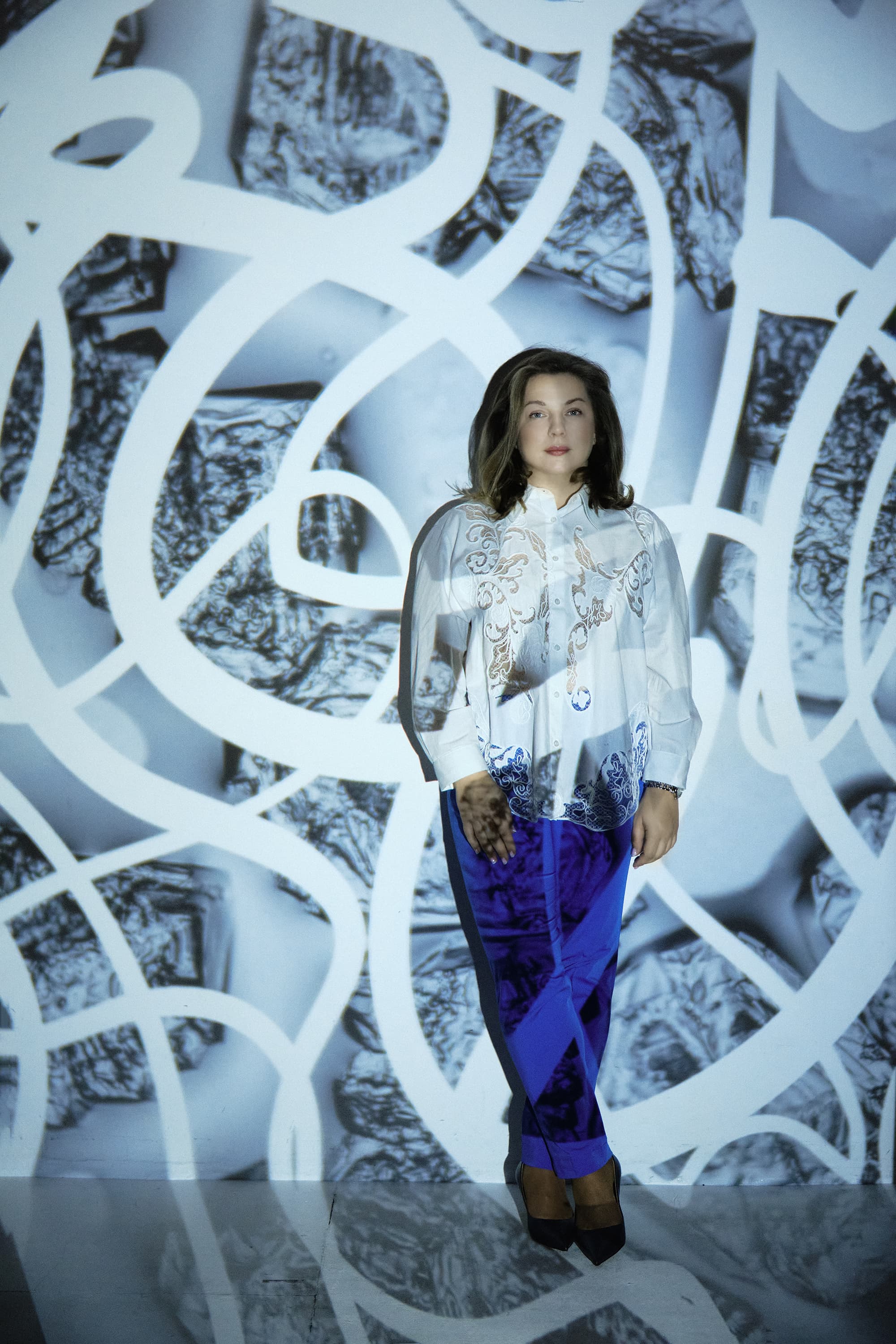
Olga Zheldybina
Research Laboratory Assistant at the “Intelligent Mobility of Multifunctional Unmanned Aerial Systems” Center; Engineer at the Department of Spacecraft Engineering named after Chief Designer Dmitry Ilyich Kozlov

- What “invisible” discoveries in your field deserve more attention?
One such “invisible” breakthrough is how scientists and engineers manage to fit powerful scientific instrumentation into something the size of a matchbox while consuming minimal energy. This isn’t just engineering—it’s art. Think of capturing a high-resolution image of Earth with severely limited resources. That’s mastery.
- Which childhood interests shaped your path toward science?
I loved drawing and stargazing. These hobbies gradually evolved into something deeper. In school, I was always drawn to math and physics—and soon realized these passions aligned perfectly with the work of a spacecraft designer. Developing Earth observation satellites became the ideal intersection of all my interests.
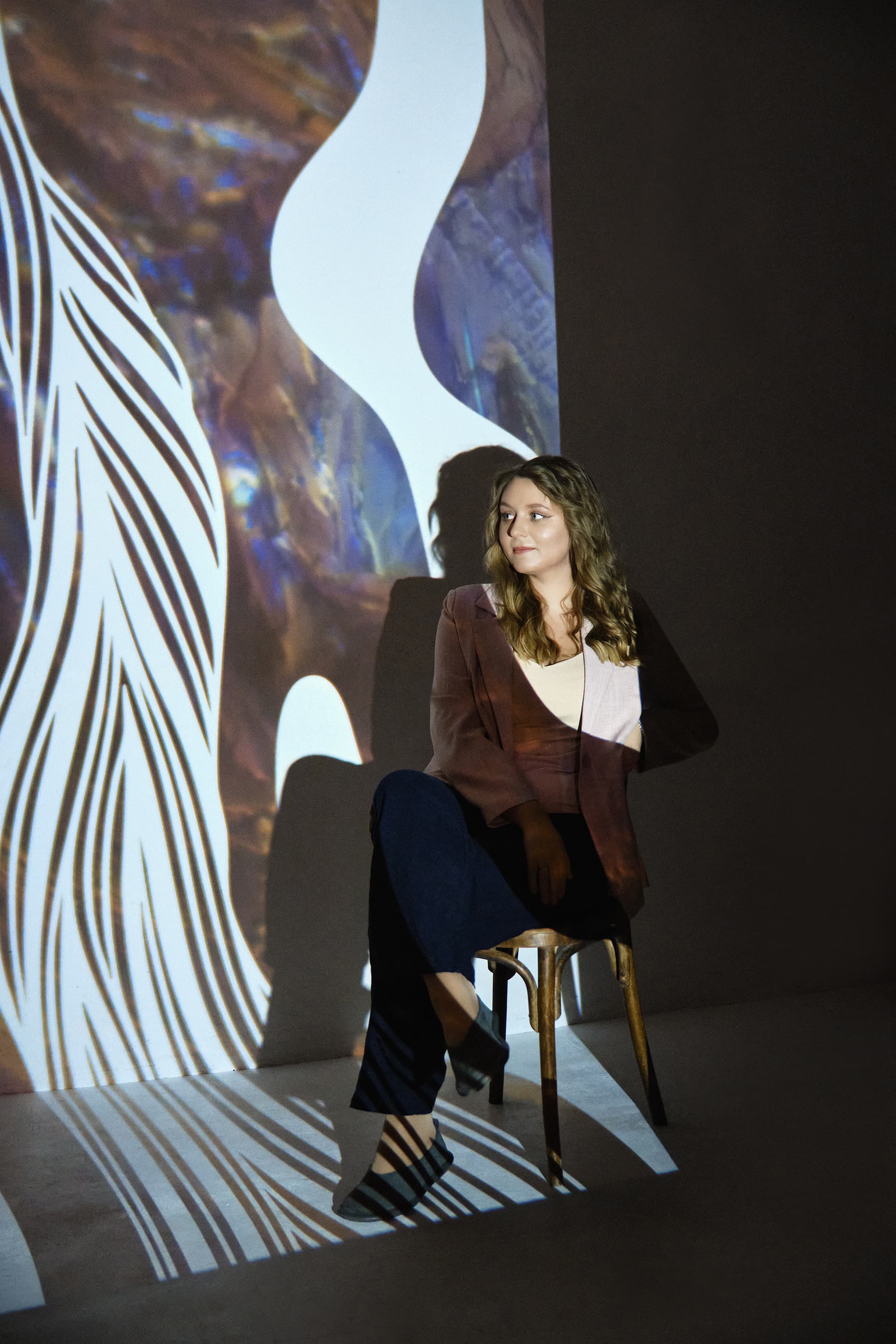
Victoria Kokareva
Associate Professor, Department of Engine Manufacturing Technologies; Associate Professor, Advanced Aerospace Engineering School; Senior Researcher, Engineering Center of Samara University
- Are there scientific fields where women might have a natural advantage?
For many women, science is first and foremost a creative endeavor—an outlet for curiosity, especially when tackling complex problems in physics, chemistry, or mathematics. The tougher the challenge, the more intriguing it becomes! Over time, you get used to scientific marathons—but what looks like effortless decision-making in research or engineering is actually the result of immense, often unseen labor.
- What personal skill unexpectedly helped your scientific career?
Mental flexibility—the ability to adapt quickly and operate effectively under constantly shifting conditions—has been invaluable. As they say, I always carry my laptop with me! And let’s be honest: without creativity and unconventional thinking, no research topic would ever move forward.
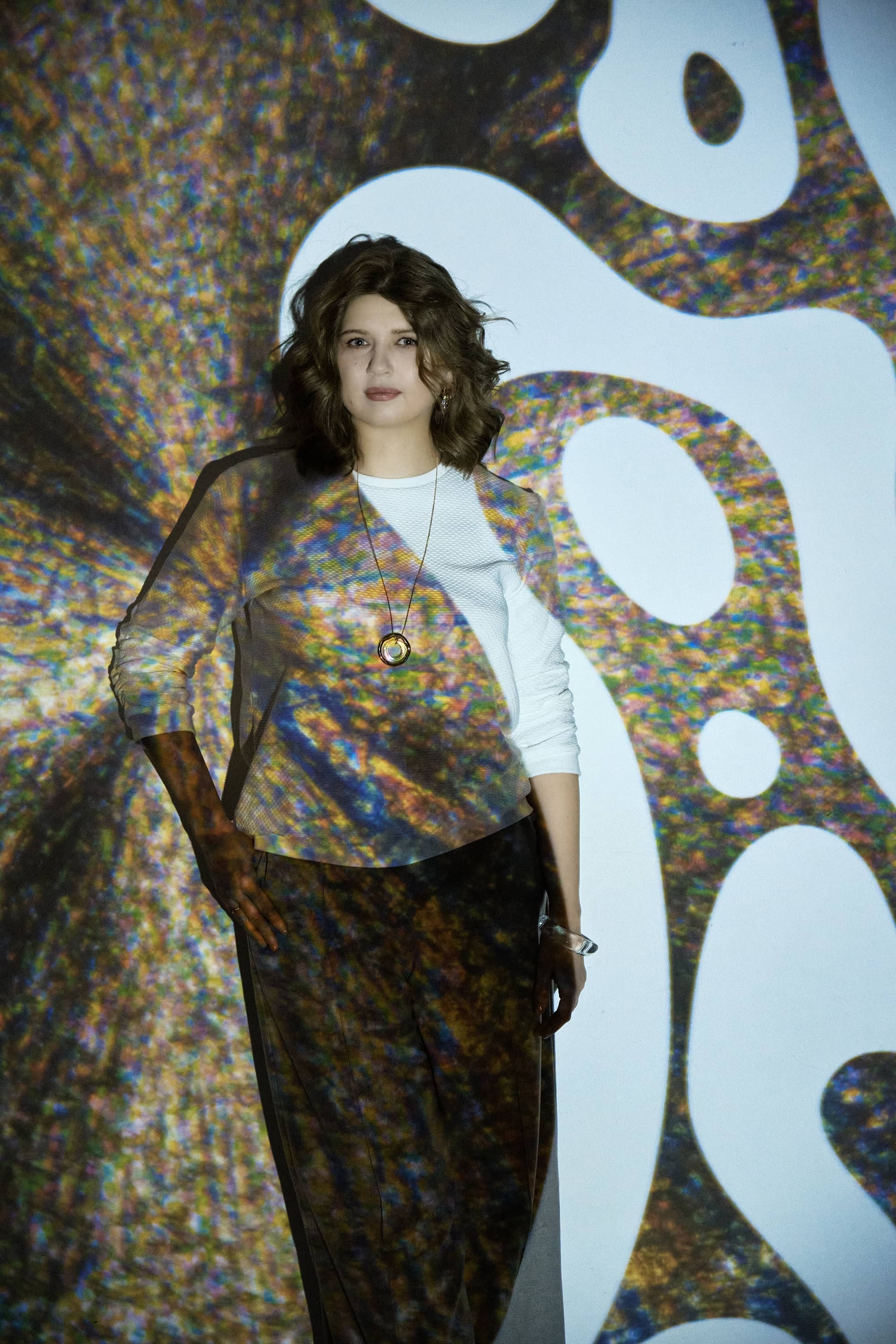
Yulia Shekunova
Senior Lecturer, Department of Methodology of Sociological and Marketing Research
- What scientific question makes you rethink your worldview?
I’m deeply intrigued by how far epigenetics, genome editing, and personalized medicine can go. Will we fully harness the potential of stem cells? Can we clone organs? And most importantly—how will all this affect human lifespan and reshape life itself?
- Beyond technological progress, what can science offer society?
This ties directly to the previous question. Social and humanitarian sciences help people understand themselves in an ever-changing world, find their place within it, and make sense of the complex systems and processes that surround them.
Ksenia Sundukova
Associate Professor, Department of Russian and Foreign Literature and Public Relations
- Has scientific work ever changed how you view personal life situations?
Absolutely. The habit of analyzing facts and verifying information has saved me from trouble more than once—in both daily life and academic work. As a rhetoric instructor, I also constantly apply communication theory to everyday conversations and even kitchen-table debates!
- Which outdated stereotypes about women in science have finally faded?
As a philologist, I never believed women were a minority in science. Today, even STEM fields are no longer exclusively male domains. Another obsolete notion is that a woman must choose between family and a scientific career. As a mother of two, I know firsthand that it’s entirely possible to thrive both personally and professionally.
Irina Matveyeva
Associate Professor, Department of Laser and Biotechnical Systems; Candidate of Technical Sciences

- In science, what matters more—depth of knowledge or breadth of interests?
Depth is essential—but only when grounded in reasonable interdisciplinary breadth. In my field, without deep expertise in data analysis methods and measurement physics, nothing functions. Yet without understanding clinical contexts or electronics manufacturing, even the best ideas can’t be implemented in real-world projects.
- What’s the most illogical misconception you’ve had to debunk about your work?
Some genuinely believe that if a “neural network exists,” then biology, physics, data quality, patient interaction, and meticulous experimentation no longer matter. But behind every “click” and every AI model lie years of data collection, processing, coordination with medical professionals, and relentless, painstaking effort.
Snezhanna Pavlenko
Associate Professor, Department of Human and Animal Physiology
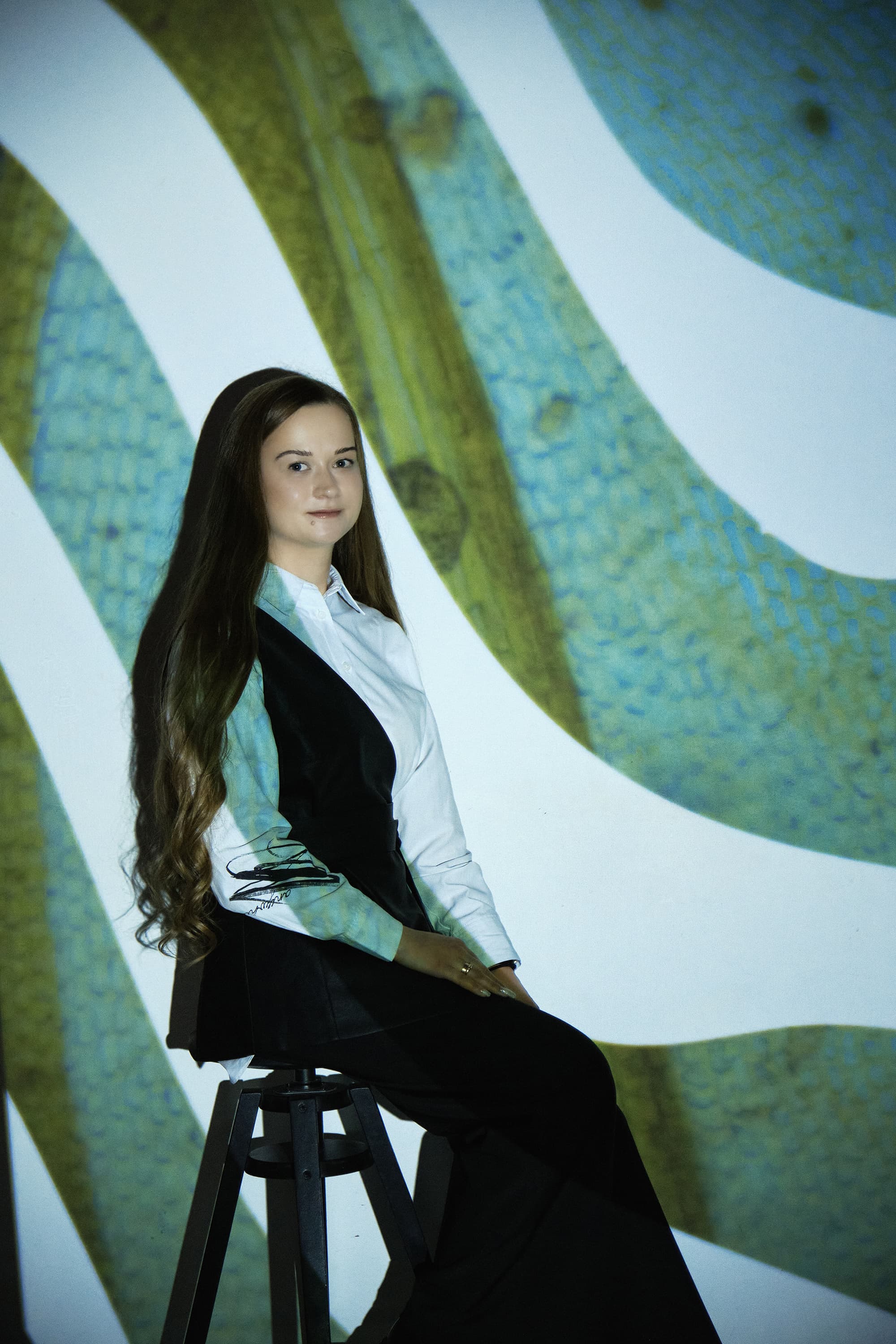
- If you had unlimited funding, what bold experiment would you launch?
I’d initiate a comprehensive project on human circadian rhythms. Its core goal would be to study the genetic factors underlying individual differences in biological timing. Equally important would be investigating how environmental variables—temperature, light exposure, and more—shape a person’s chronotype.
- What surprising thing has science taught you about yourself?
Through scientific work, I discovered I can adapt quickly to changing circumstances and approach problems from multiple angles. Perhaps even more unexpectedly, I realized I possess immense patience, perseverance, and tenacity—qualities that keep me moving forward, undeterred by setbacks or failures.
Photo by Daria Mishchenko
Source: sobaka.ru
