

Scientists from Samara University and the Samara Branch of the Lebedev Physical Institute of the Russian Academy of Sciences (SF LPI) have experimentally confirmed the molecular mechanism behind the chemical evolution of carcinogens generated during combustion reactions in gas turbine engines. The research was financially supported by a grant from the Russian Science Foundation, and the findings have been published in the prestigious international journal Chemistry Europe.
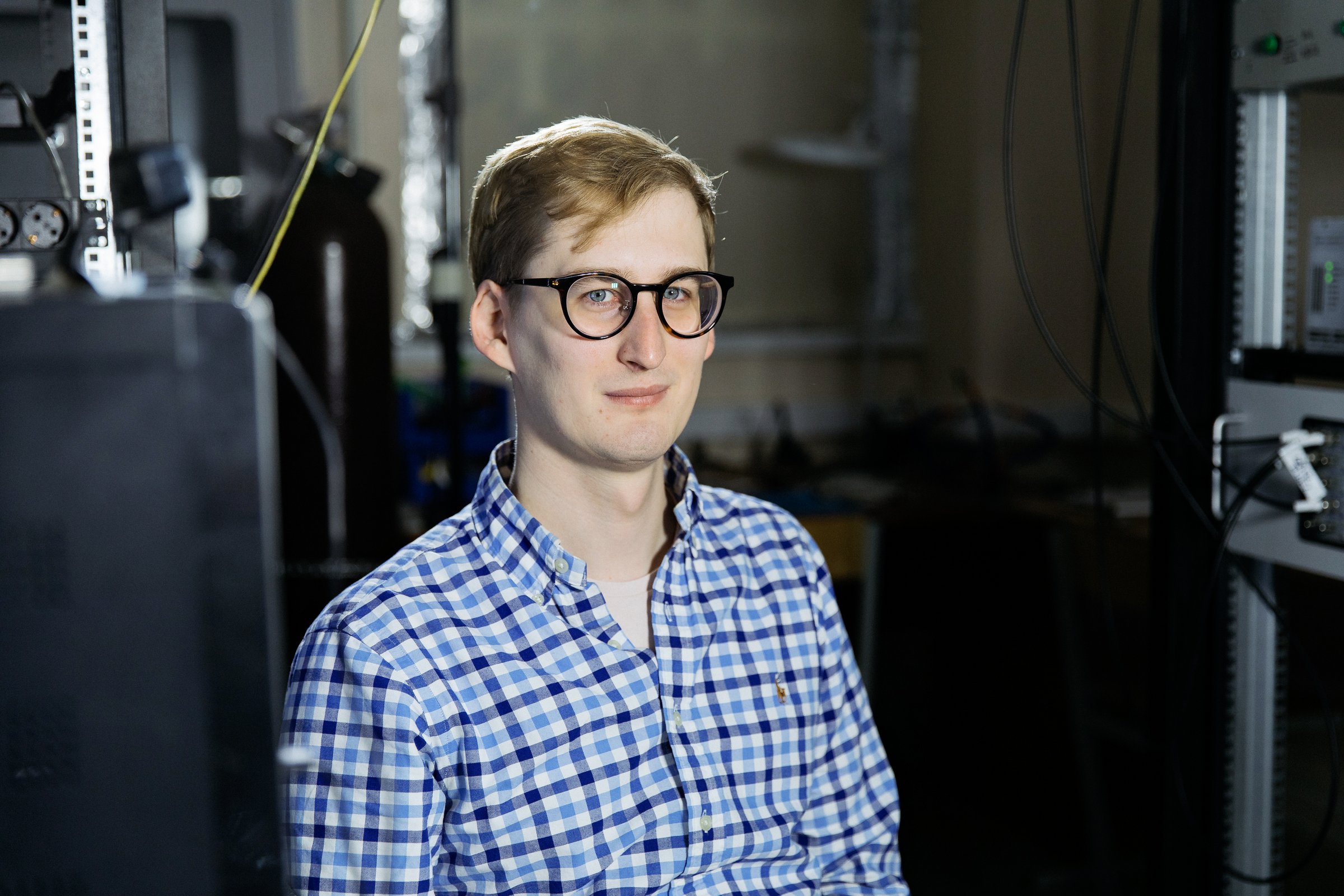
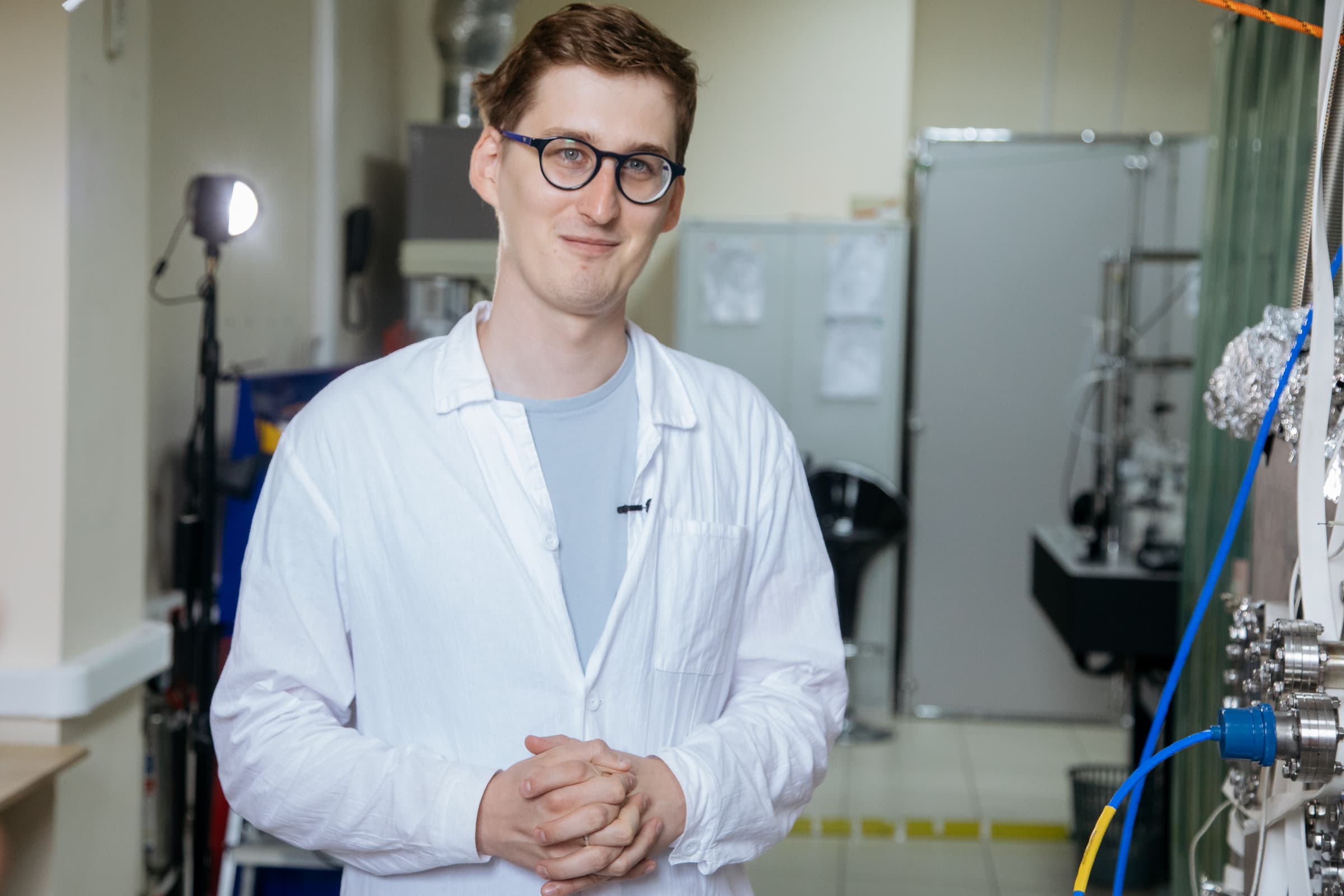
"The scientific significance of our research lies in the fact that we have experimentally and with high precision confirmed the molecular mechanism behind the formation of polycyclic aromatic hydrocarbons (PAHs), which are carcinogens generated during various combustion reactions, such as those in gas turbine engine combustion chambers," explained Yakov Medvedkov, Senior Researcher at the Research Laboratory of Physics and Chemistry of Combustion at Samara University and the Center for Laboratory Astrophysics at SF LPI.
"During engine operation, thousands of chemical reactions occur; within fractions of a second, various substances form and then disappear in the superheated gas. It is akin to accelerated chemical evolution, where substances with simple molecular compositions transform into more complex ones. Naturally, most of these reactions and processes have long been studied and described. However, the exact chemical mechanisms determining how a specific substance is formed remain, in some cases, a subject of ongoing scientific debate and experimental research. We managed to capture and record the very initial moment of naphthalene molecule formation—a known carcinogen—and determine the sequence of chemical events preceding it."
During the experiments, the scientists confirmed and refined the well-known HACA (Hydrogen Abstraction–Acetylene Addition) chemical mechanism. In this process, polycyclic aromatic hydrocarbons are formed through the repeated abstraction of a hydrogen atom, followed by the addition of an acetylene molecule to the radical site.
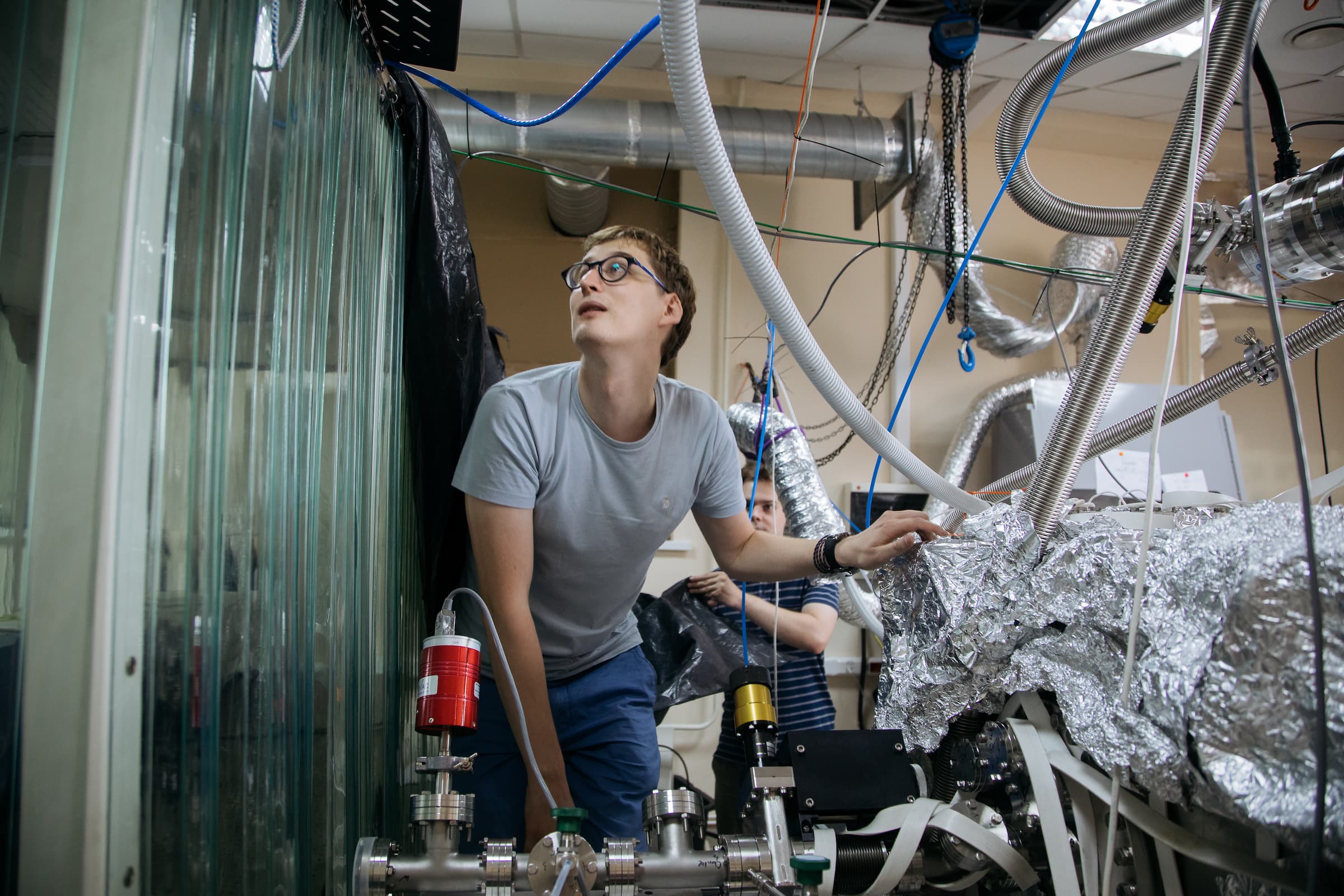
The research was conducted using a specialized experimental setup designed to study the reaction dynamics and kinetics of combustion processes. This facility was developed and assembled at Samara University under a Russian Government mega-grant titled "Development of Physically Substantiated Combustion Models."
Inside the setup's micro-reactor, at specific temperature and pressure values, the scientists initiated chemical reactions. The reaction products, in the form of a molecular beam, were then directed into an ultra-high vacuum chamber and ionized by vacuum ultraviolet (VUV) radiation or a UV laser. Subsequently, a mass spectrometer "captured" the resulting ions, providing highly precise determination of the mass and isomeric composition of the products formed by the chemical reaction. The pressure was varied from 100 to 600 Torr, and the micro-reactor wall temperature ranged from 800 to 1200 K. Furthermore, two different laser methods were used for photoionization instead of the usual single method, which significantly increased the accuracy of identifying the formed molecules.
"The data we obtained is significant not only for fundamental science but also from an applied perspective for the development of new, more environmentally friendly engines," emphasized Yakov Medvedkov. "For instance, during our study, we established that naphthalene formation during combustion reactions is highly sensitive to temperature and pressure. Naphthalene yields increase at lower temperatures and higher pressures in the combustion chamber, peaking at 53% at a temperature of 800 K and a pressure of 300 Torr. Conversely, as the temperature rises and pressure decreases, naphthalene formation noticeably decreases, literally by a factor of several."
