

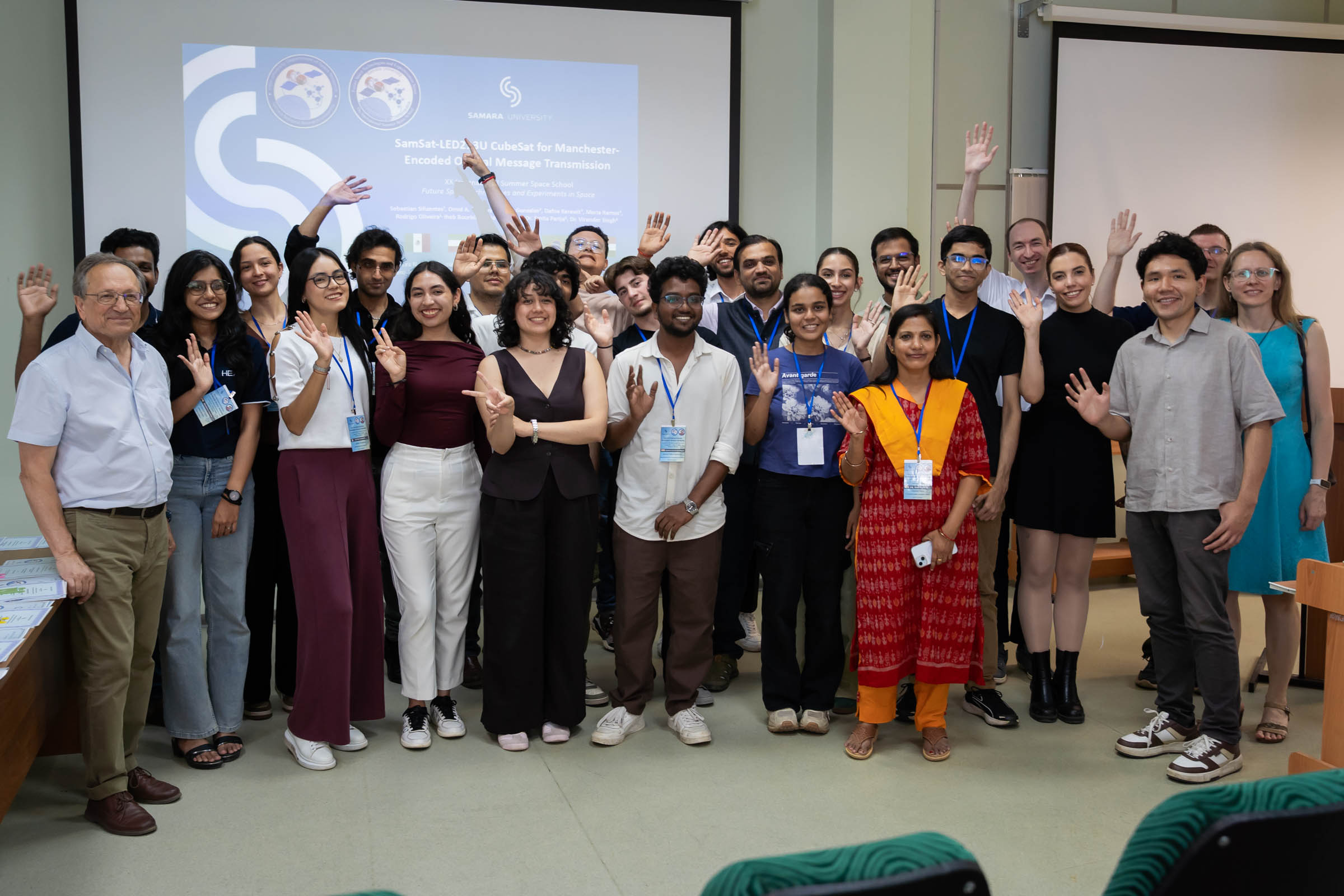
The XX International Summer Space School "Advanced Space Technologies and Experiments in Space" has officially concluded with the successful defense of final projects. The program brought together 18 international students and researchers from Brazil, India, Mexico, Peru, Tunisia, Iran, and Lebanon. Upon completing the intensive course, the participants were awarded official certificates and advanced training diplomas.
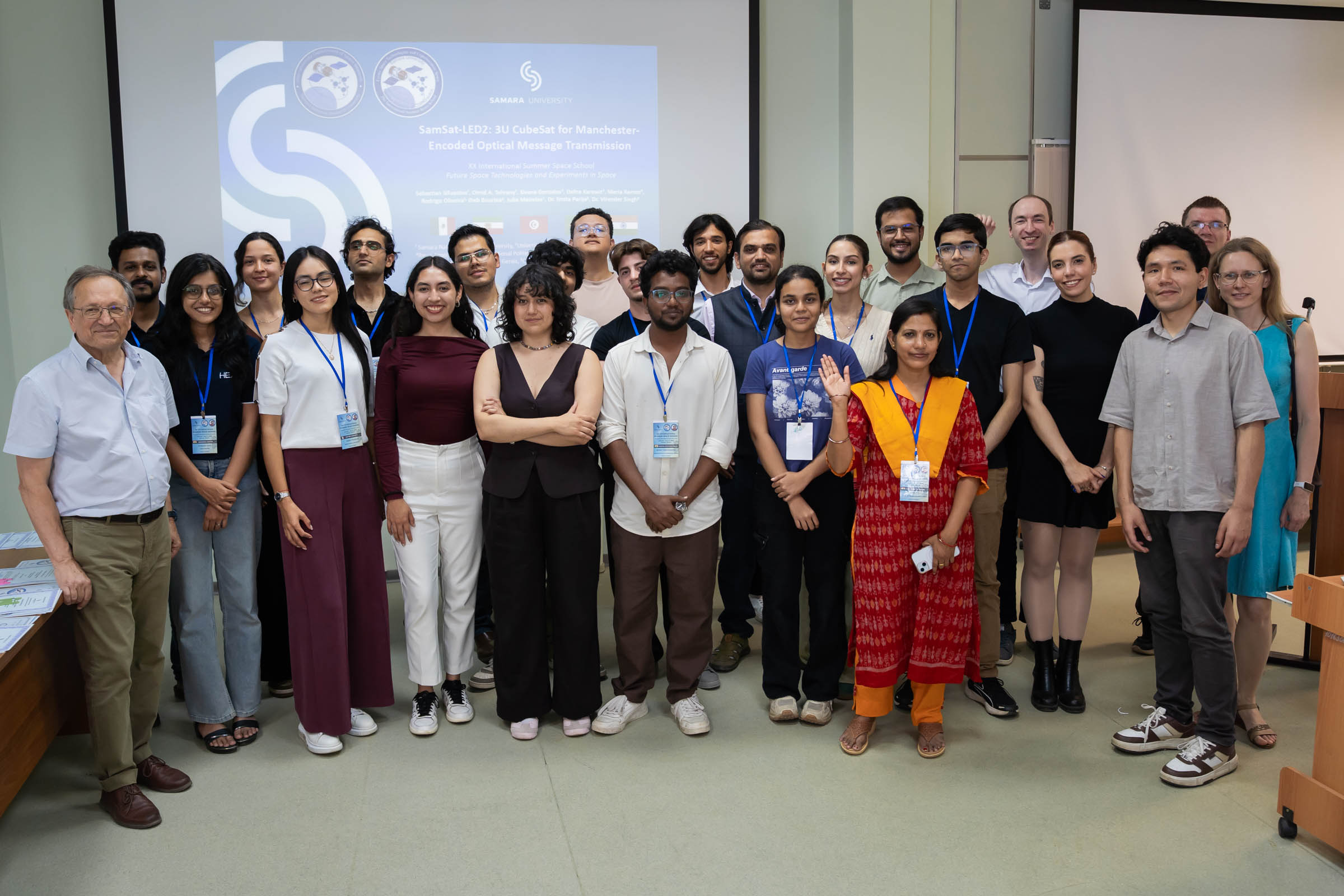
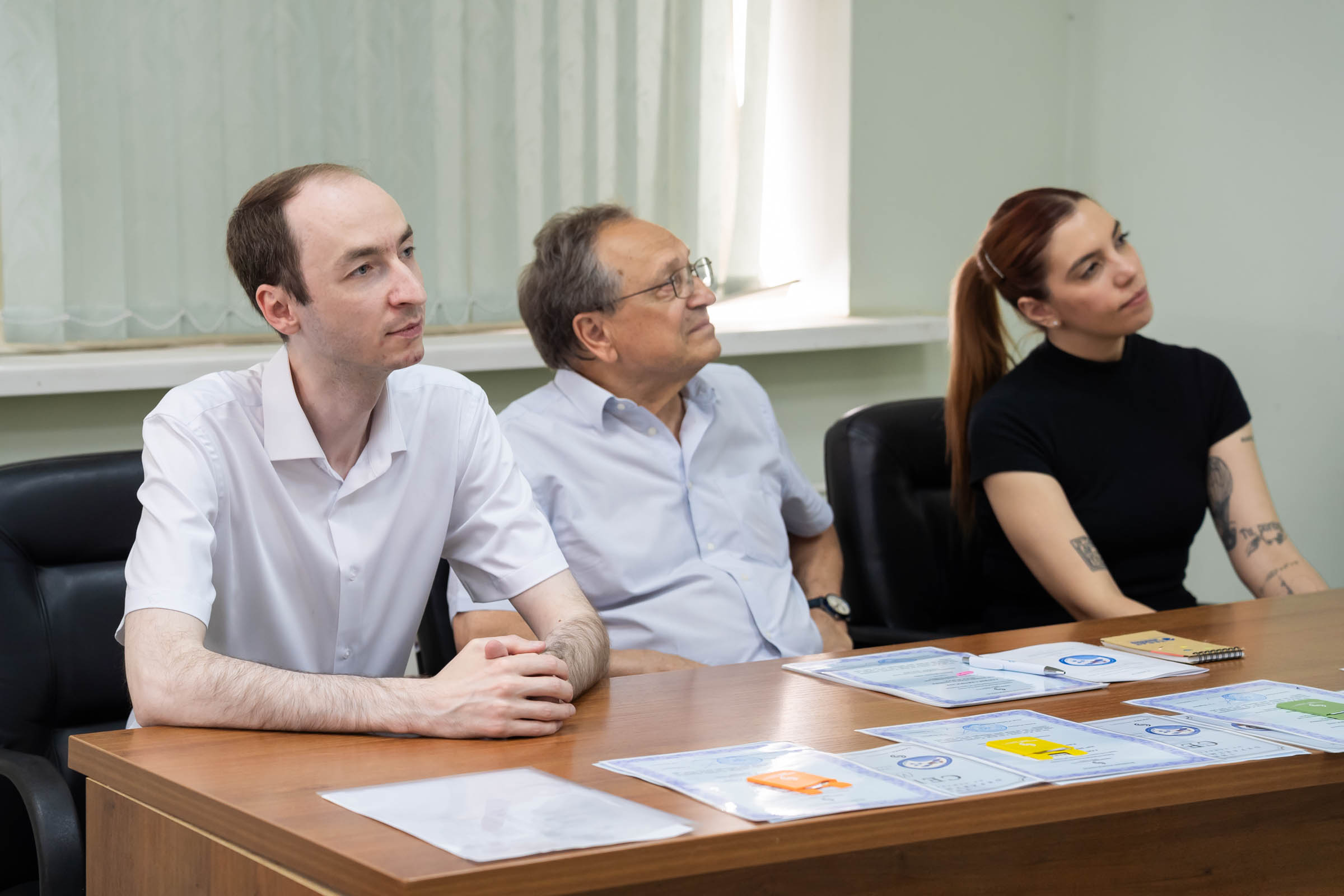

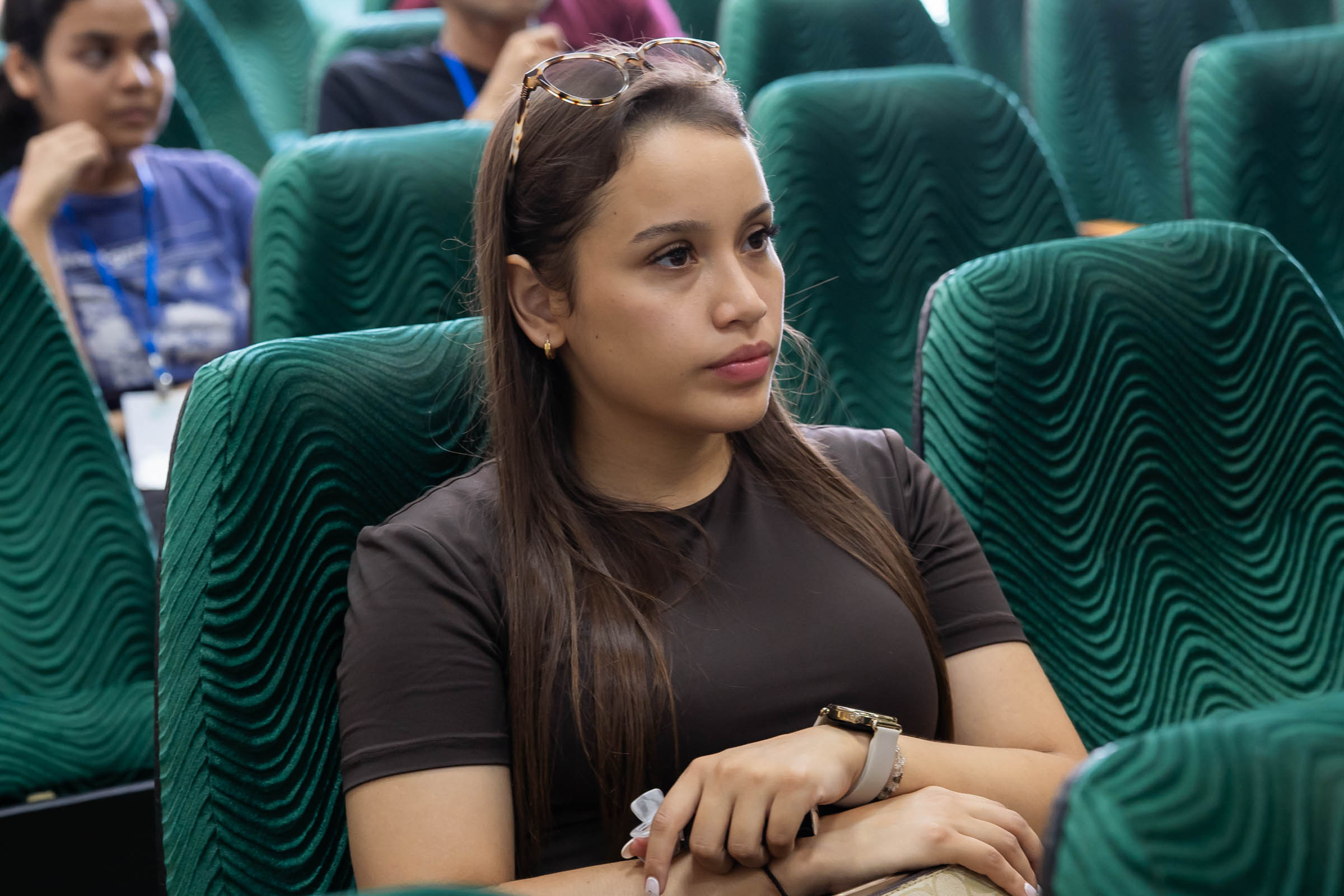
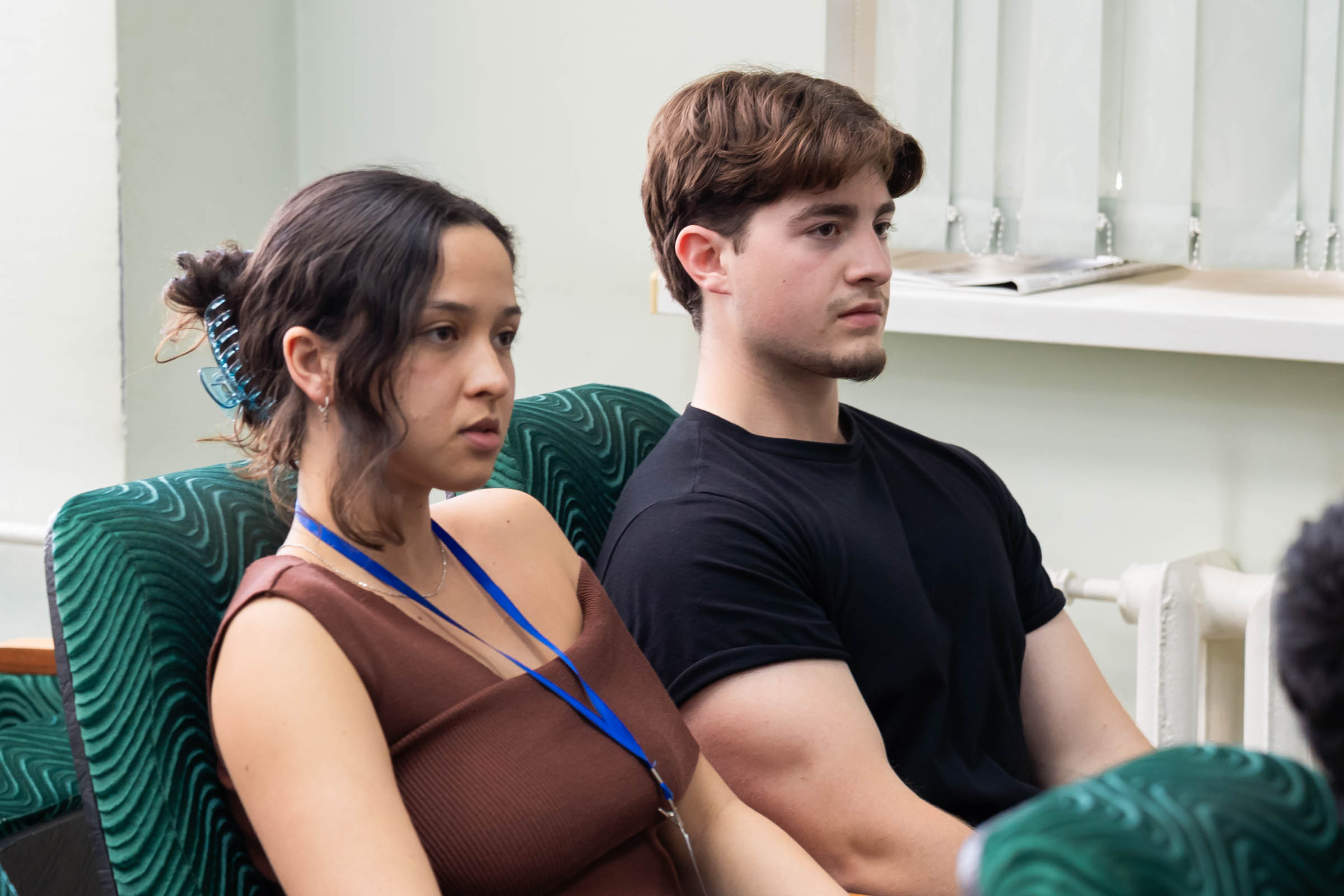
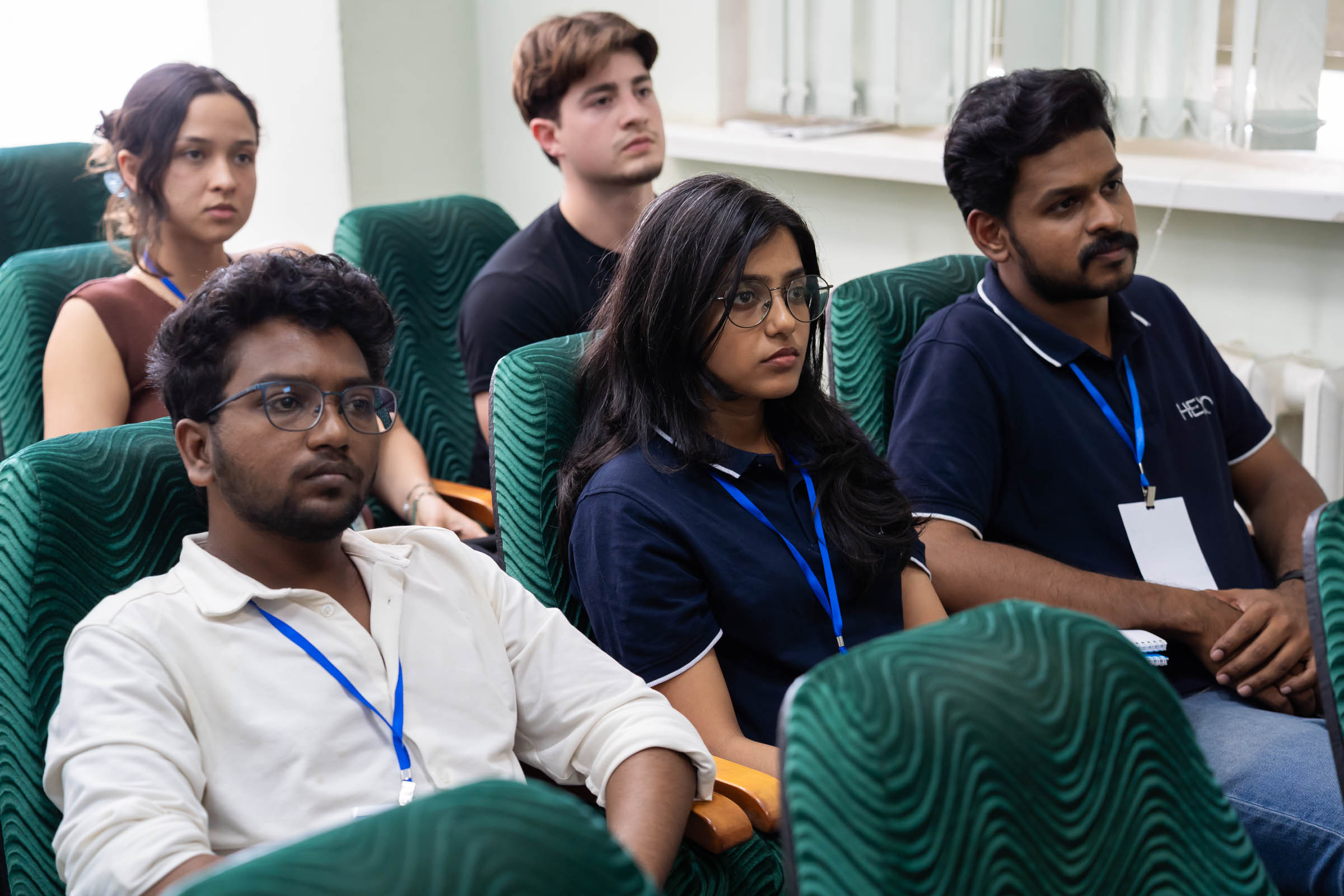
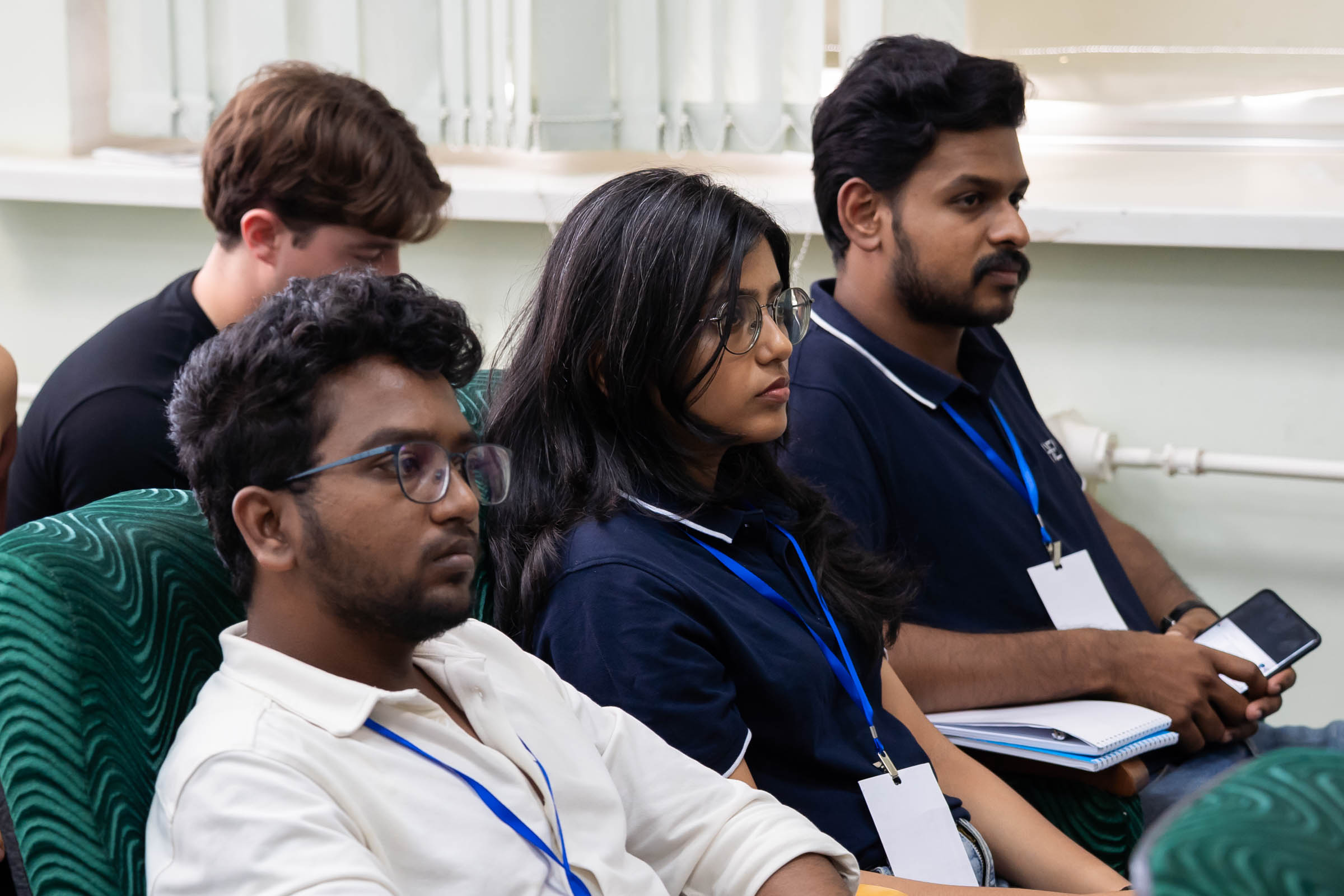
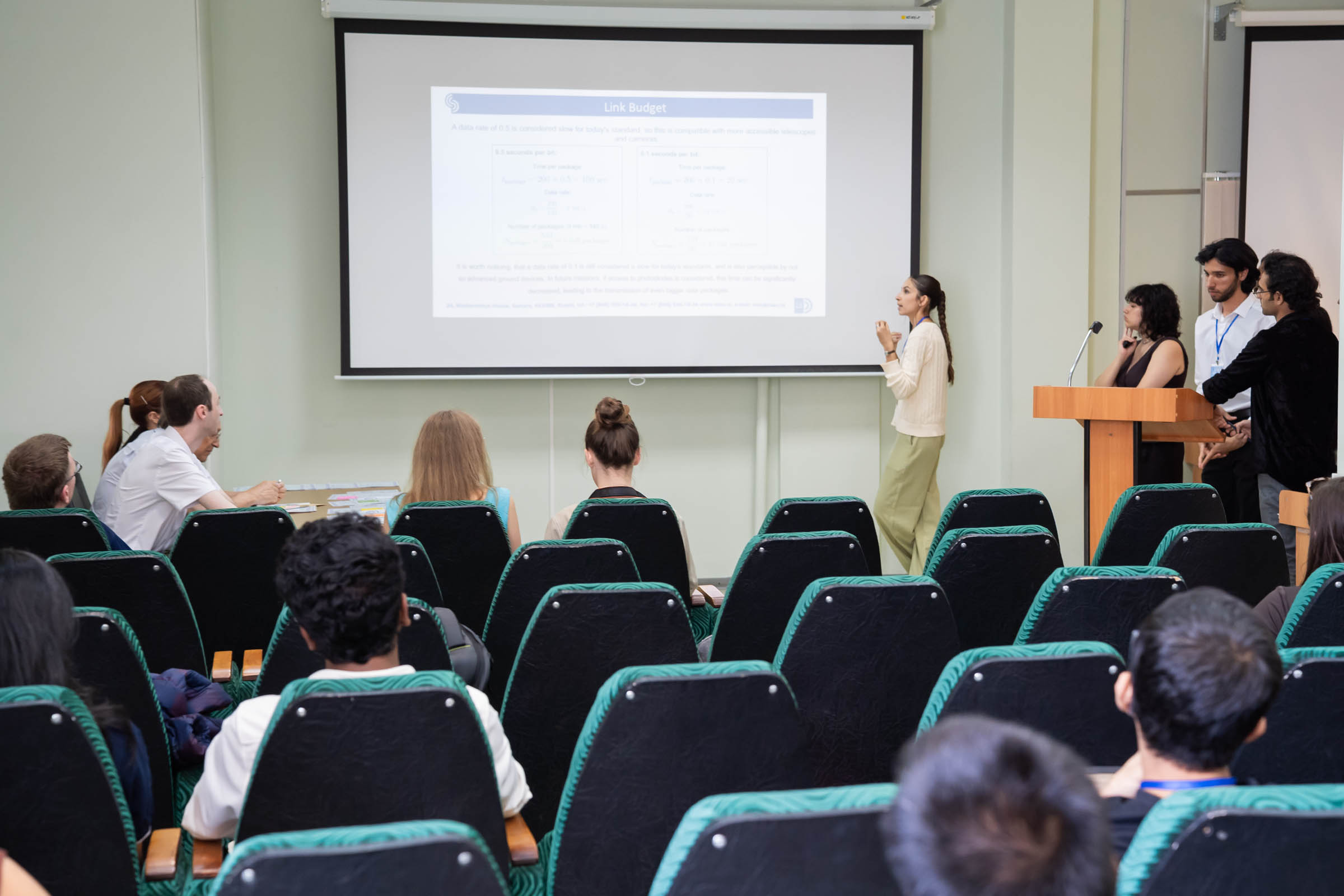
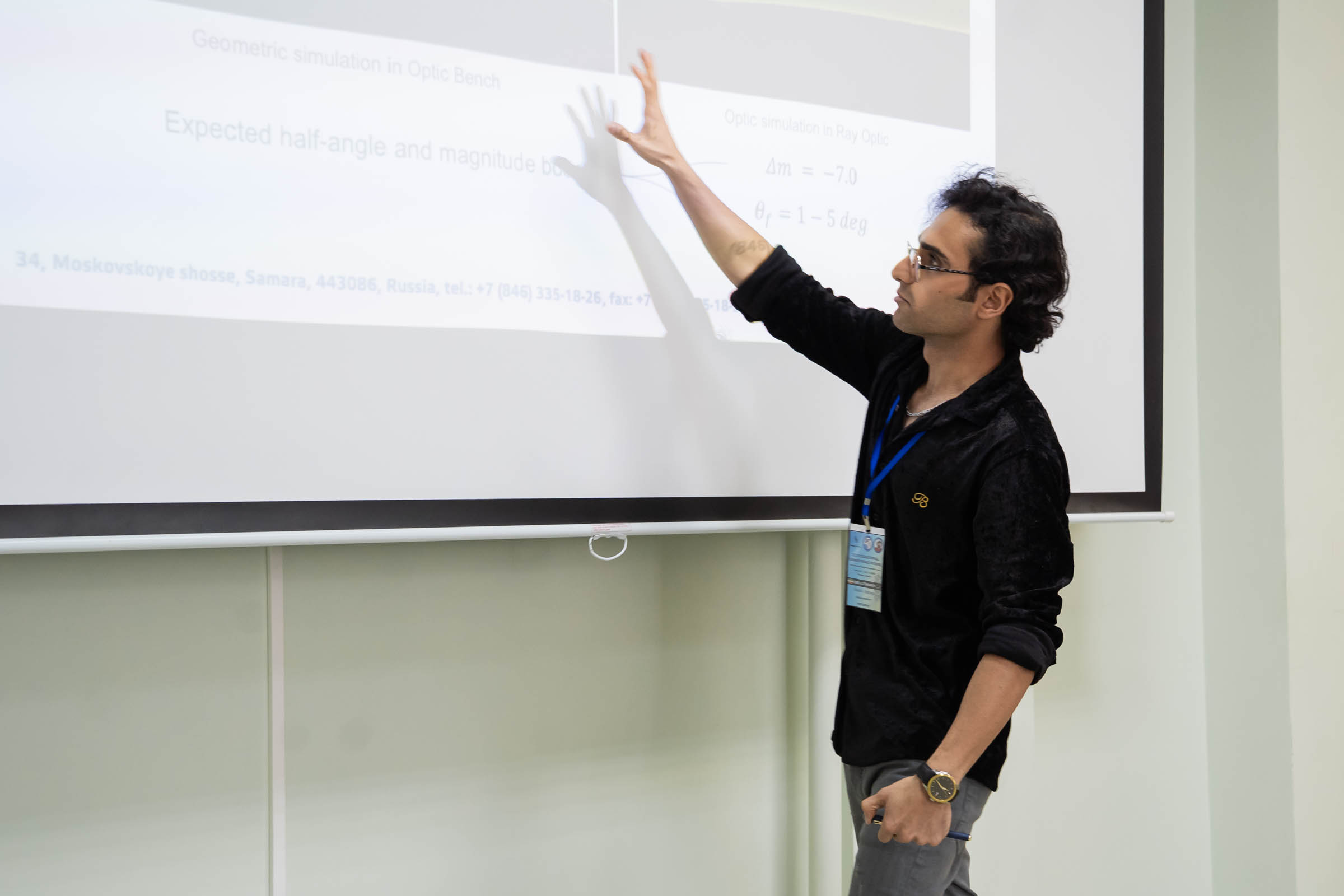
Staying true to its tradition of fostering practical skills, the Summer School participants worked in international teams to design solutions for real-world space missions. They conducted hands-on testing at three specialized university facilities: the Nanosatellite Flight Control Center, the Nanosatellite Testing Center, and the Nanosatellite Technologies Center (all operating under the Inter-University Department of Space Research).
Over the course of two weeks, the teams attended lectures by leading Samara University scientists and developed three innovative concepts:
- A miniature atmospheric probe for environmental monitoring over the Volga River.
- A nanosatellite designed to study the atmosphere in ultra-low Earth orbits.
- A spacecraft concept for testing optical data transmission from orbit, utilizing high-power LEDs to flash information in Morse code.
From Tethers to CanSats: The Evolution of the School
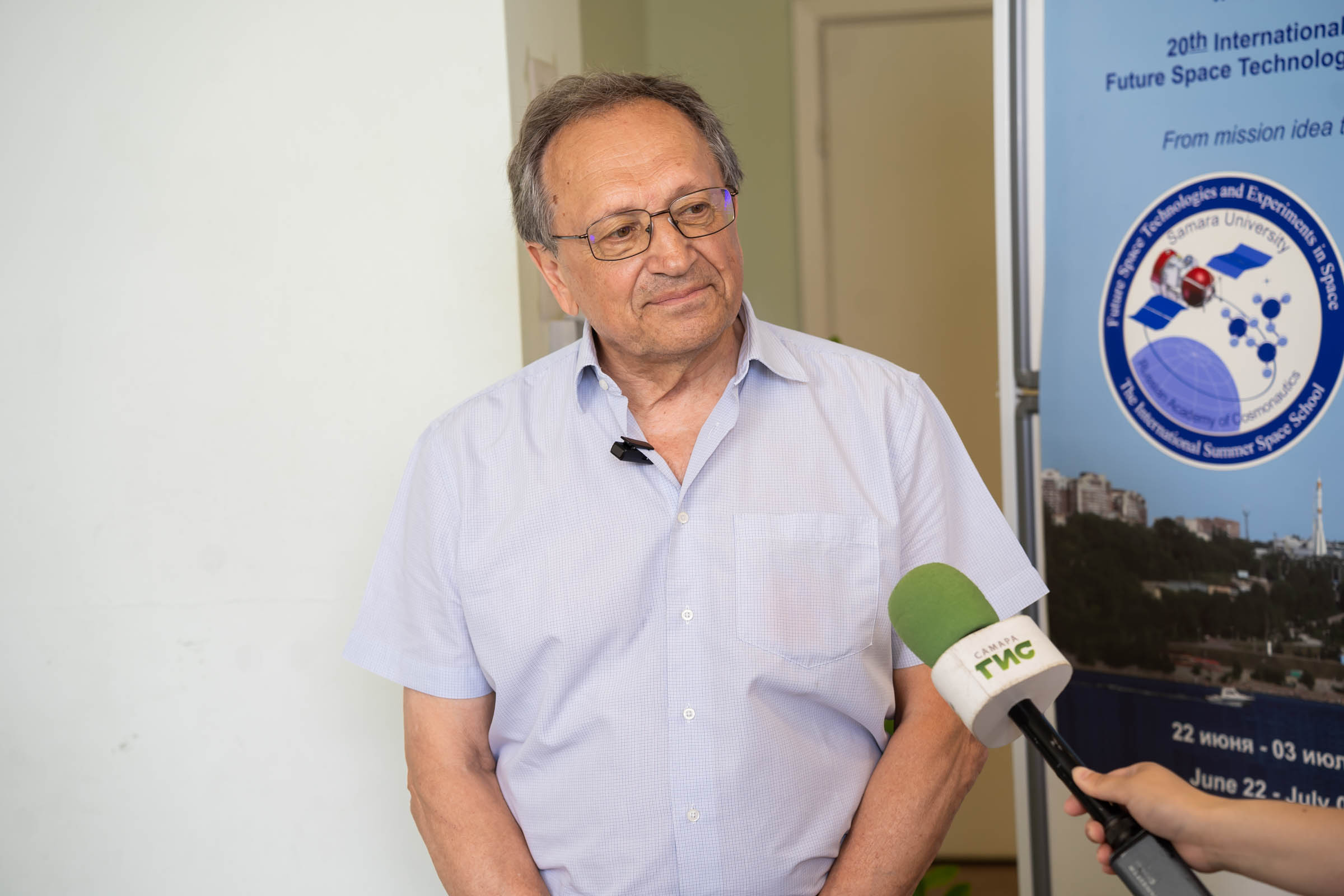
Professor Igor Belokonov, Head of the Inter-University Department of Space Research and the school's chief organizer, shared insights with the press on the evolution of the program. Since its inception in 2003, the Summer School has progressed from early experiments with tether systems to the development of modern nanosatellite missions and 5x5x10 cm CanSat spacecraft.
"Traditionally, our school's participants work in teams to propose solutions for actual space missions. Every year, over 500 nanosatellites are launched worldwide, and all leading universities are involved in such projects," Professor Belokonov explained. "We implement these educational programs under the motto 'learning through research.' A distinctive feature of this milestone 20th school was the assembly and successful launch of a CanSat atmospheric probe, built using a constructor kit developed by the 'Space Gradient' student club."
The participants assembled the CanSat from pre-fabricated modules, developed the onboard software, and executed a flawless launch. A custom-built rocket from the "Space Gradient" club propelled the CanSat to the target altitude, after which its parachute deployed for a safe landing. Throughout the flight, the onboard transmitter broadcast telemetry and target data, which the students successfully captured using portable ground receiving stations. In subsequent sessions, the teams analyzed the data to reconstruct the flight trajectory and atmospheric conditions.
"We offer the school's participants research topics that hold promise for future international collaboration. For instance, we are currently working on optical data transmission using Morse code. Such a spacecraft could be observed in the night sky even without specialized equipment, and those who know Morse code could read the messages directly from space. We are also developing a project for a spherical satellite designed for ultra-low Earth orbits," Professor Belokonov added.
Global Perspectives on Samara’s Space School
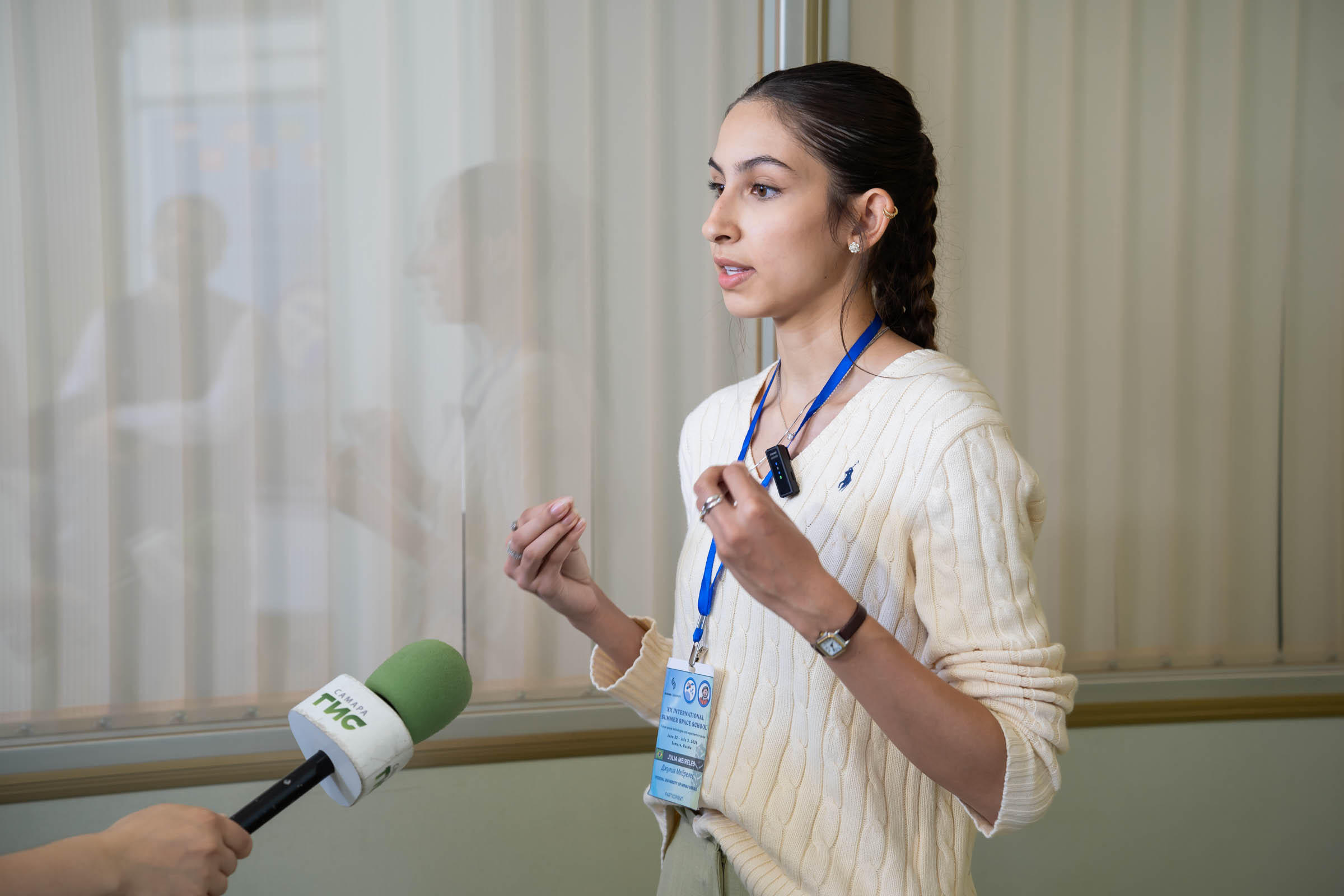
Julia Merelles, a second-year space technology student at the Federal University of Minas Gerais (Brazil), shared her impressions of working in an international team and experiencing the Russian space school firsthand. She noted that the program provided a unique opportunity to gain new experience and view space technologies from a fresh perspective:
"Ever since childhood, I have been fascinated by the vast space above us, about which we still know so little. As I grew up, I decided I wanted to dedicate my career to this field. I came to Samara, a city where people truly understand spacecraft design and launches. The Space School at Samara University helped me see these missions as a single, cohesive system. I gained truly invaluable experience and absorbed knowledge from experts that I will apply in my future projects. Every participant brought their own unique knowledge and background, allowing us to look at the project from multiple angles."
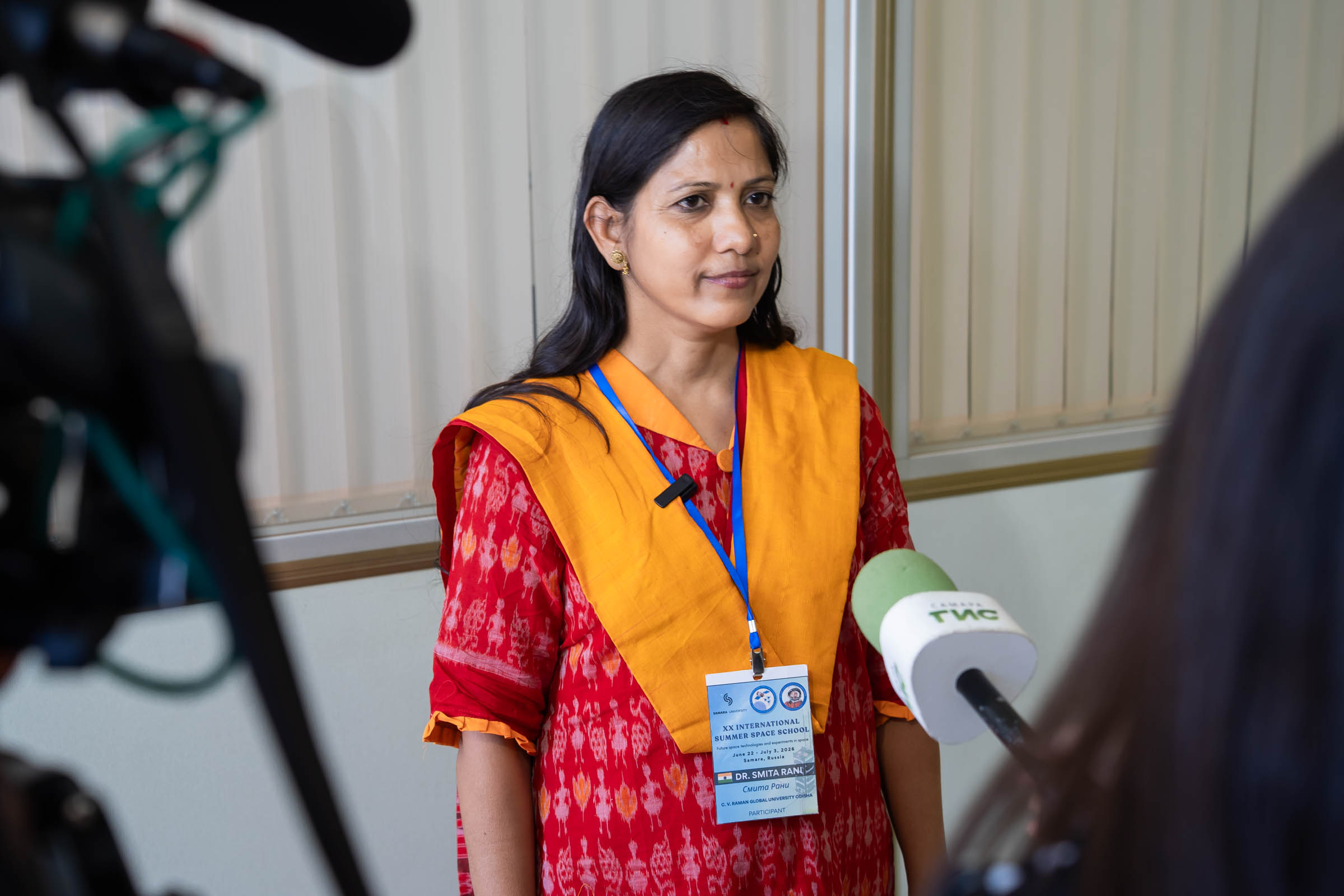
Dr. Smita Rani Parija, Doctor of Technical Sciences and faculty member at C.V. Raman Global University in India, also highlighted the immense value of the program for international academic exchange.
"We have a small space club and a ground station for receiving orbital data at our university. We came to Samara to acquire advanced knowledge in space technologies and bring it back to share with our students. I am deeply grateful to the organizers and the instructors, especially Professor Igor Vitalyevich Belokonov, who provided us with a maximum amount of cutting-edge information in just a few days. We fully intend to continue our collaboration with Samara University," the guest from India concluded.
